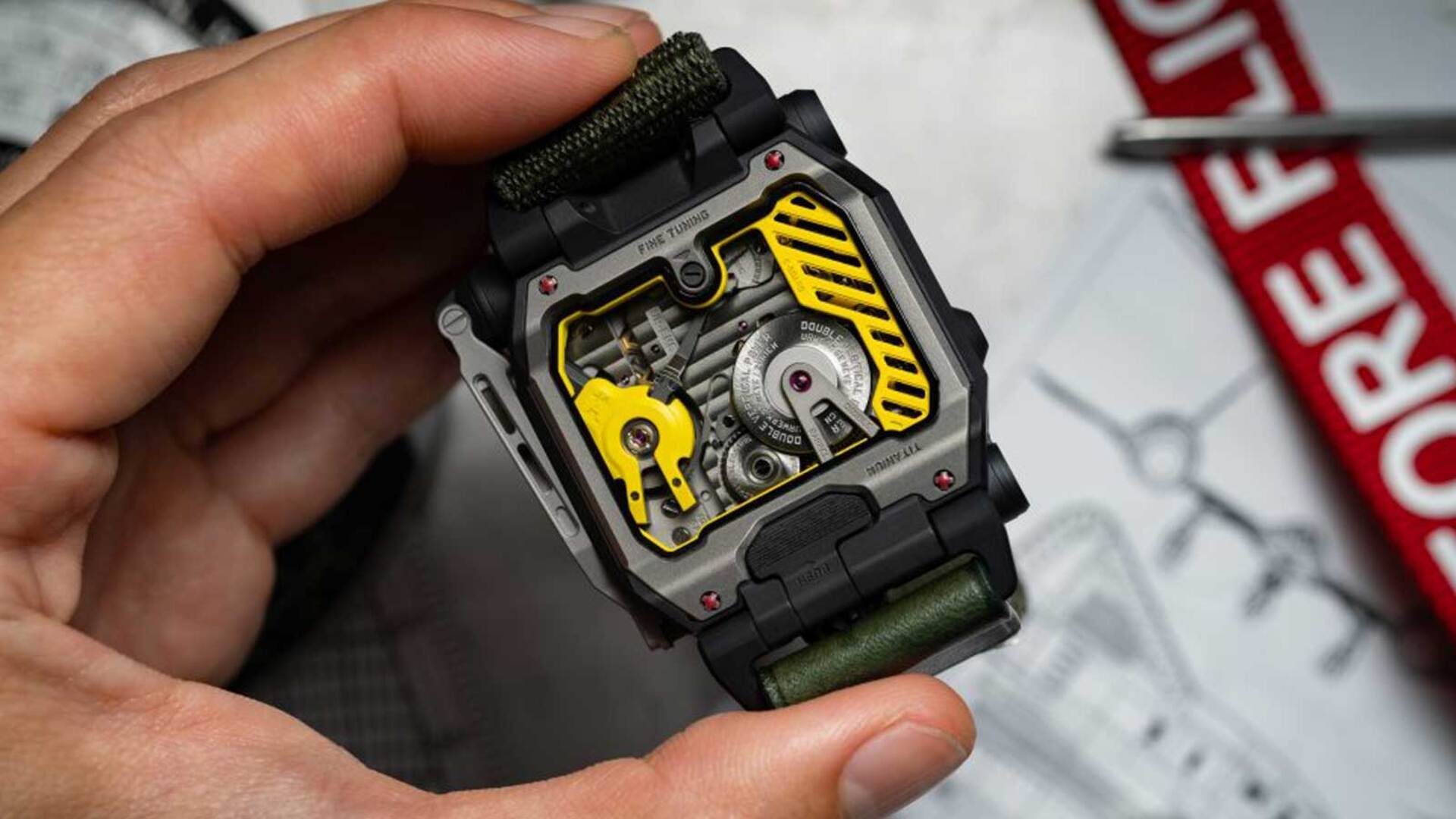
The world of luxury watchmaking has long been dominated by traditional craftsmanship, with intricate mechanical movements representing the pinnacle of engineering and artistry. However, in recent years, a new wave of innovation has been introduced by independent watchmakers who are boldly experimenting with technology. By integrating electronic components into their mechanical timepieces, brands like Ressence, Urwerk, and De Bethune are pushing the boundaries of what a watch can be, fusing the old with the new and shaping the future of horology.
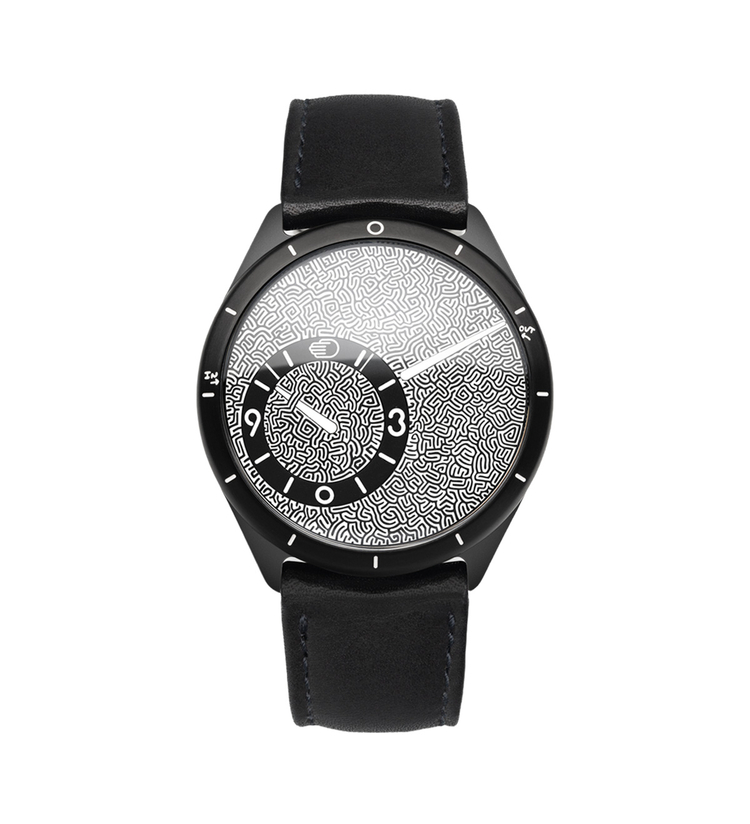
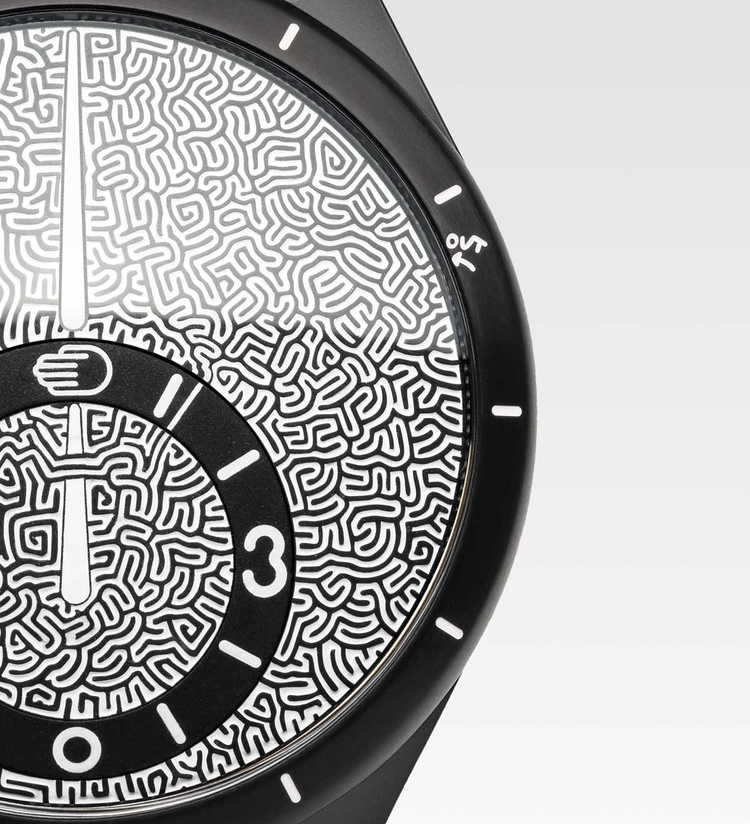
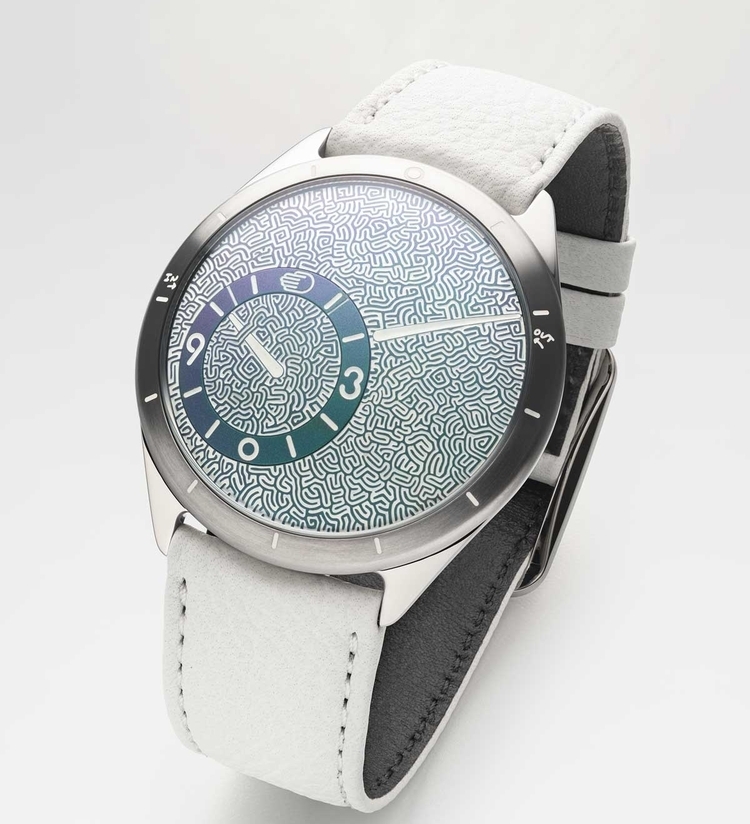
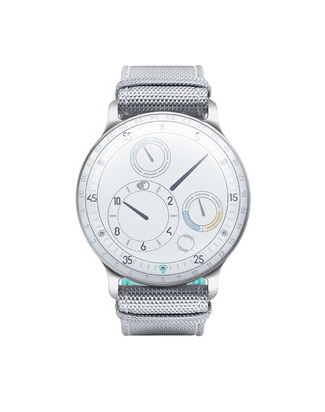
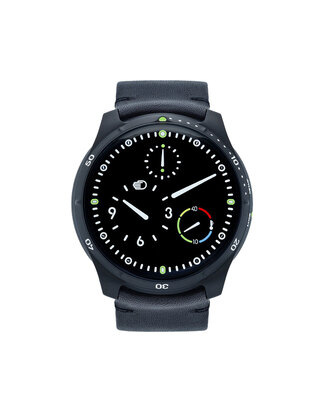
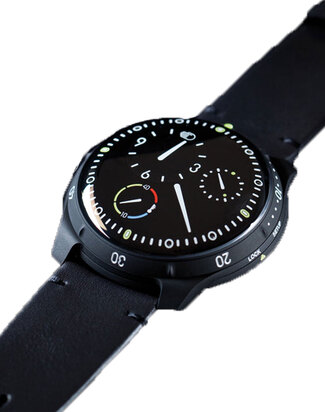
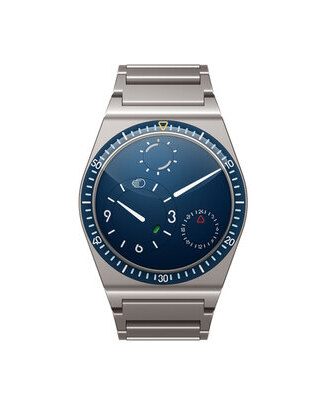
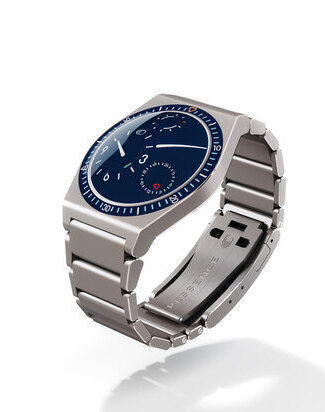
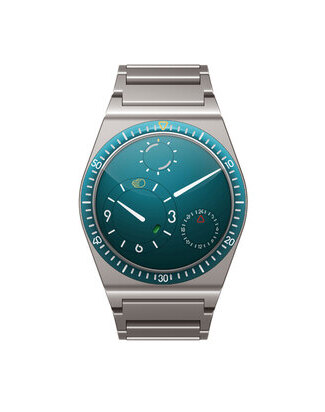
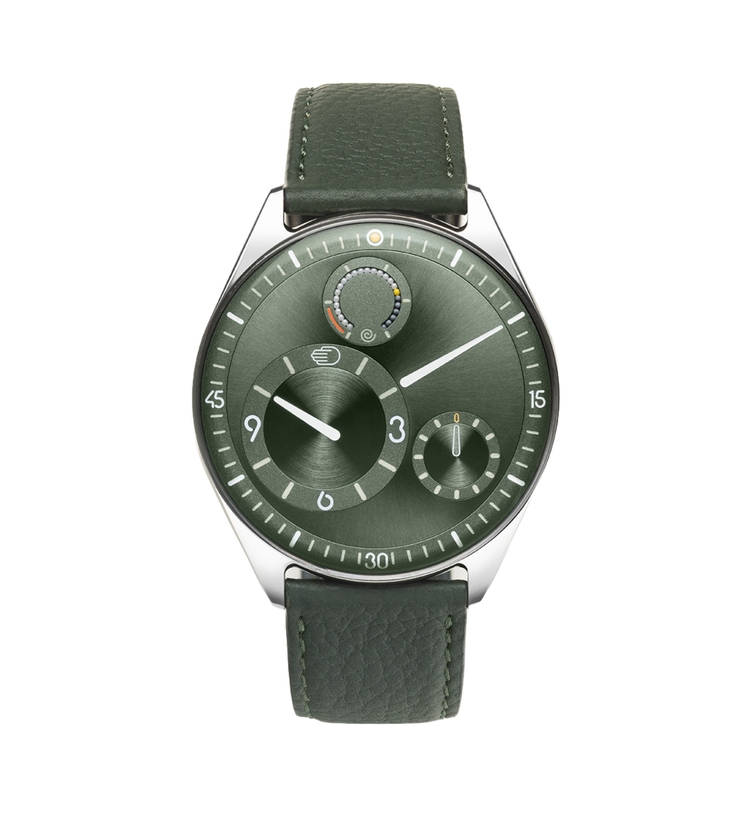
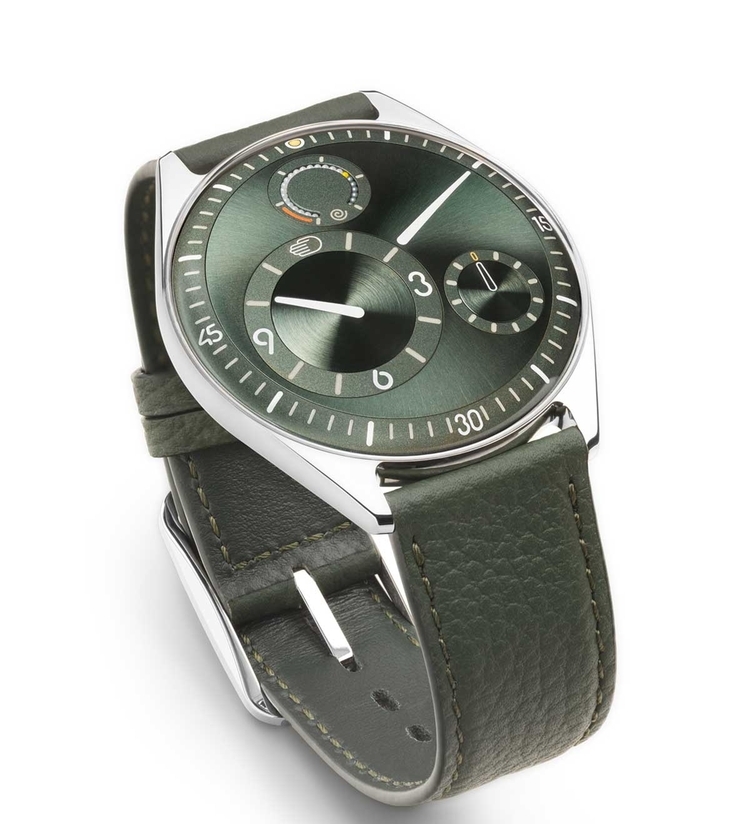
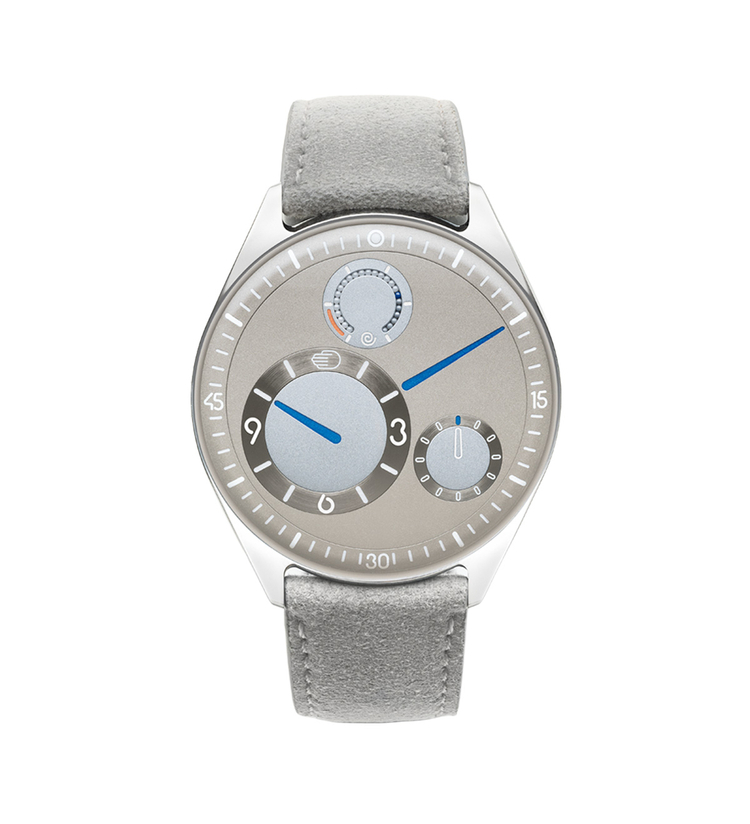
Ressence Type 2: A Smart Mechanical Watch. Effortless. Magical. Mechanical.
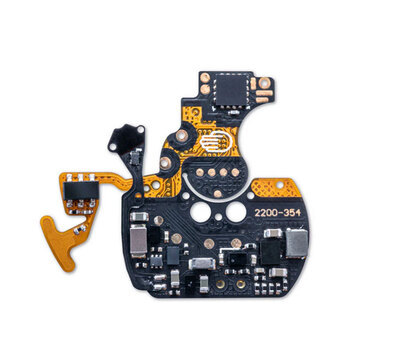
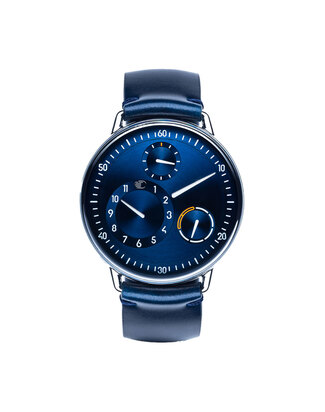
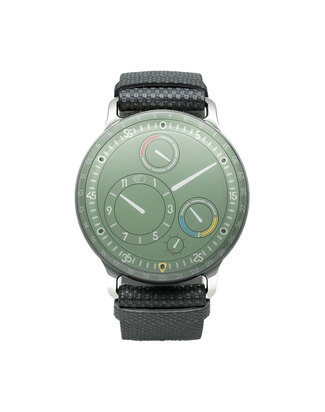
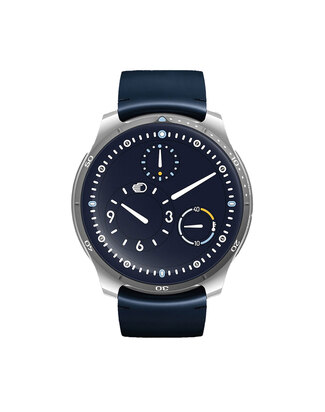
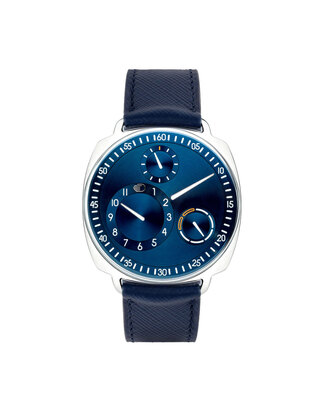
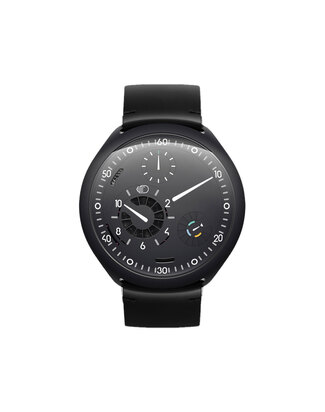
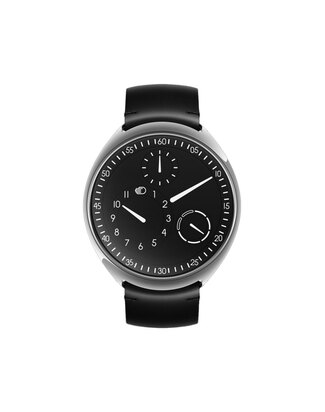
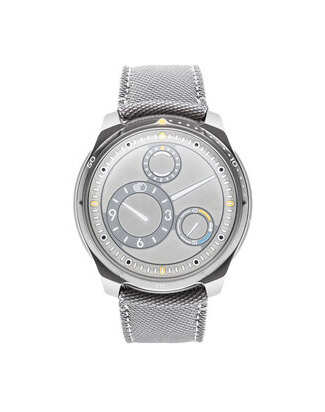
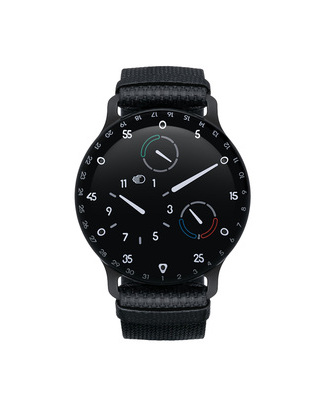
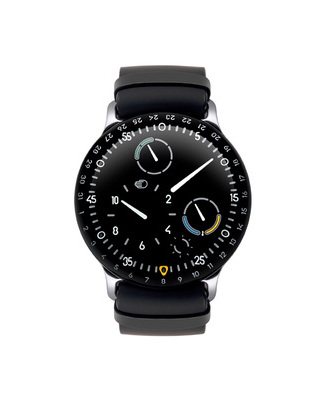
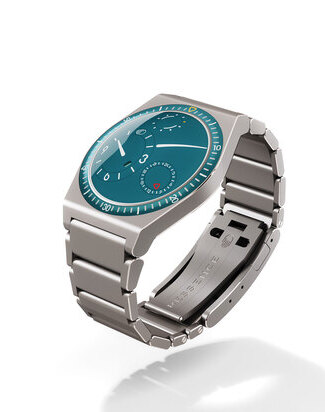
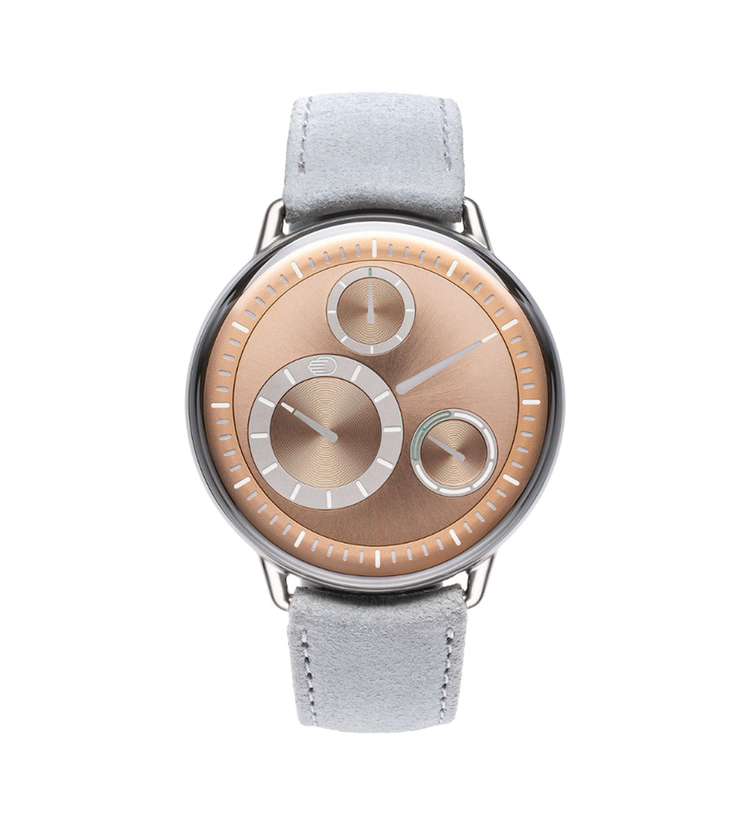
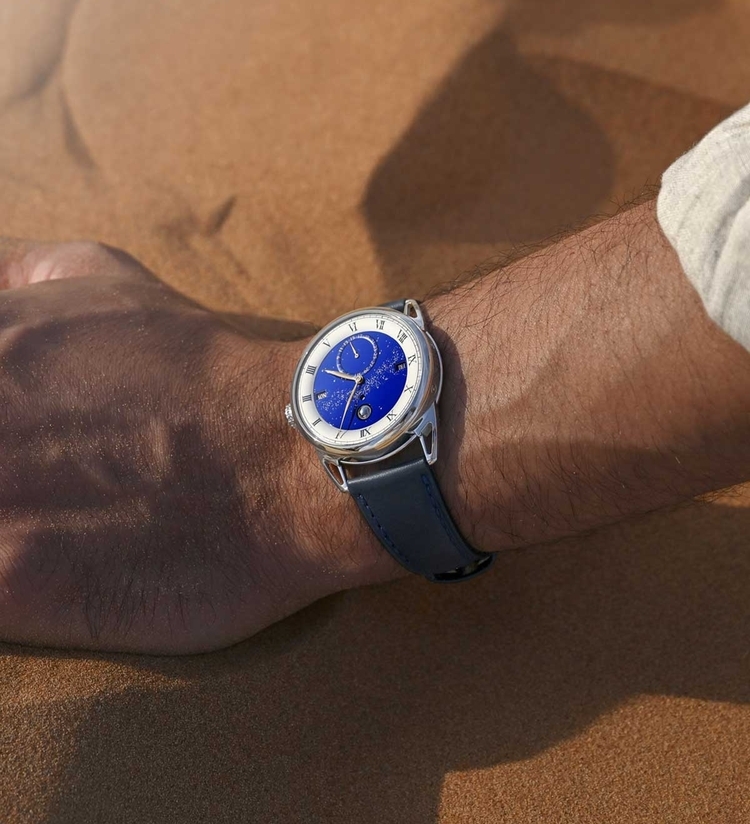
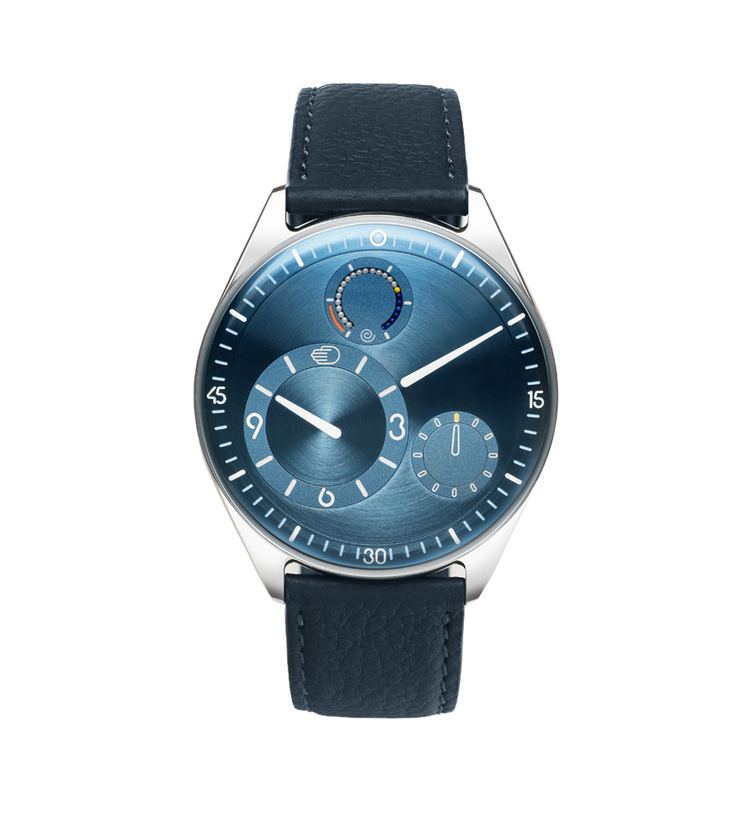
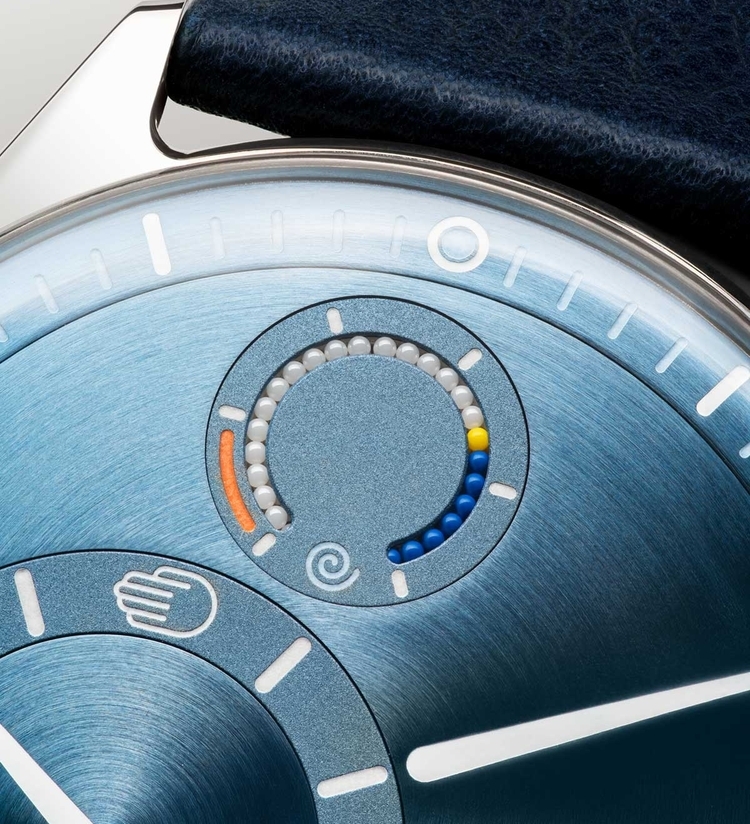
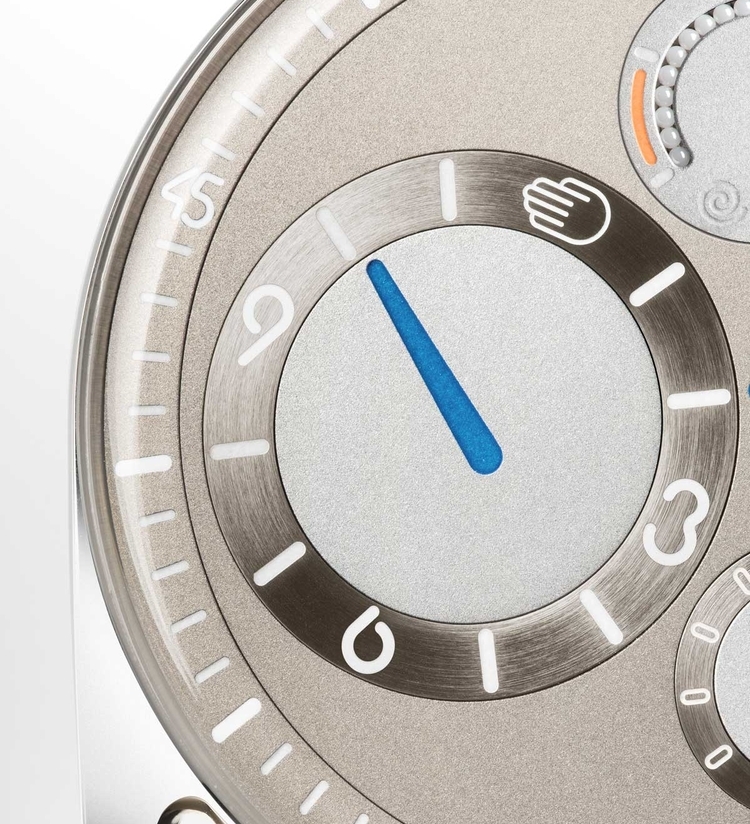
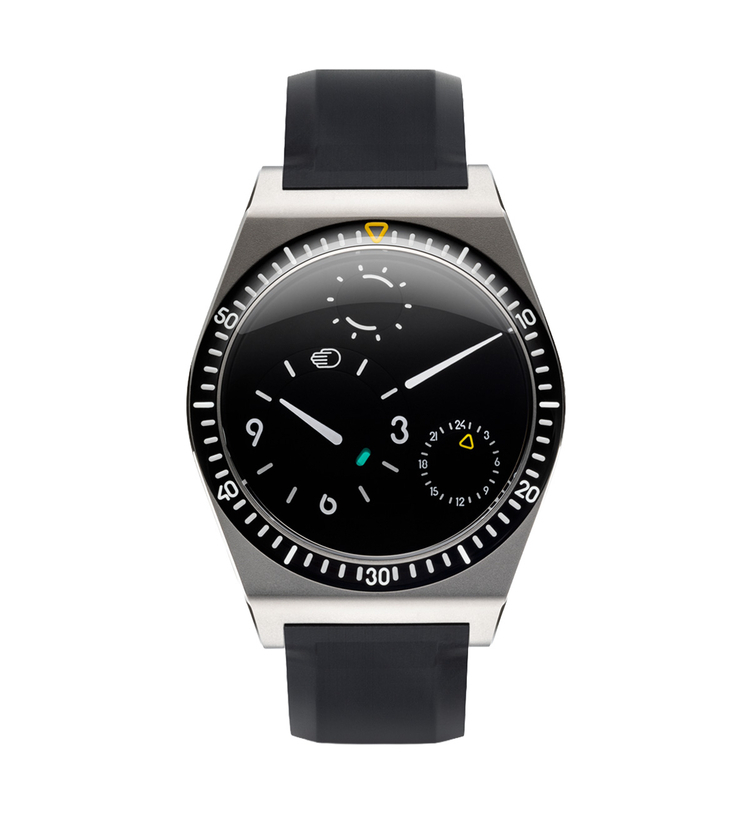
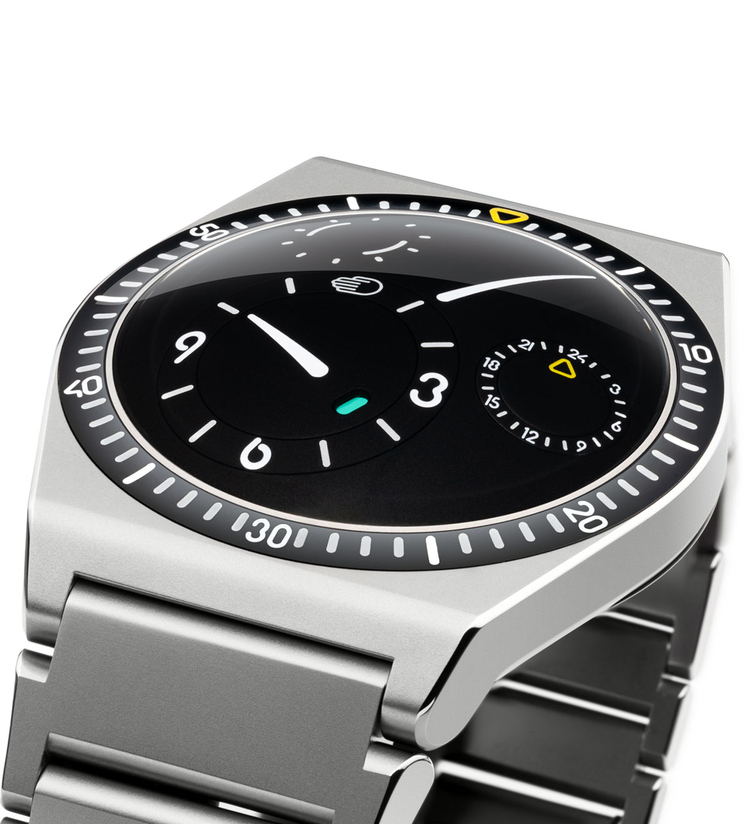
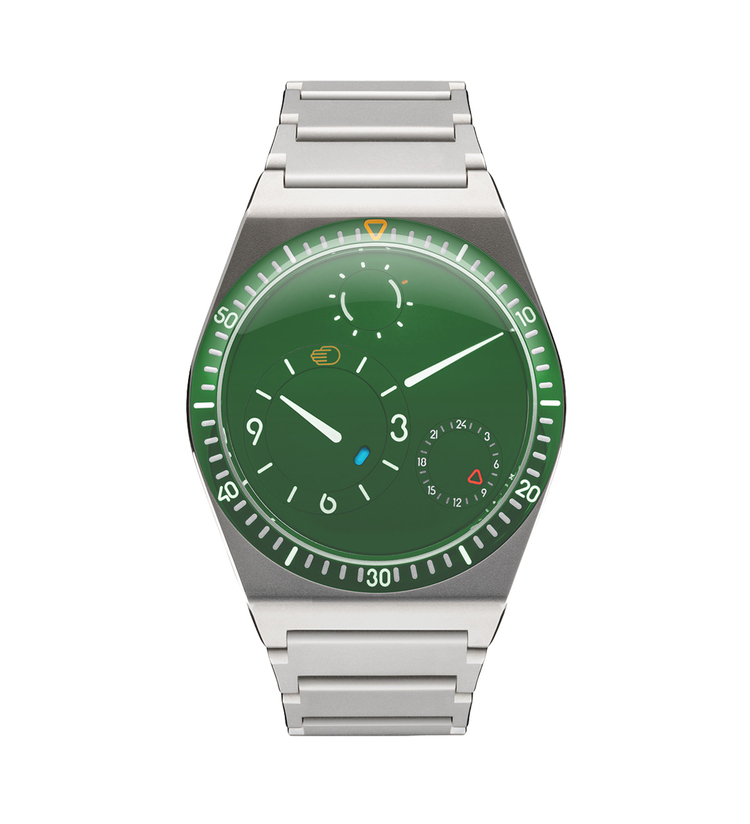
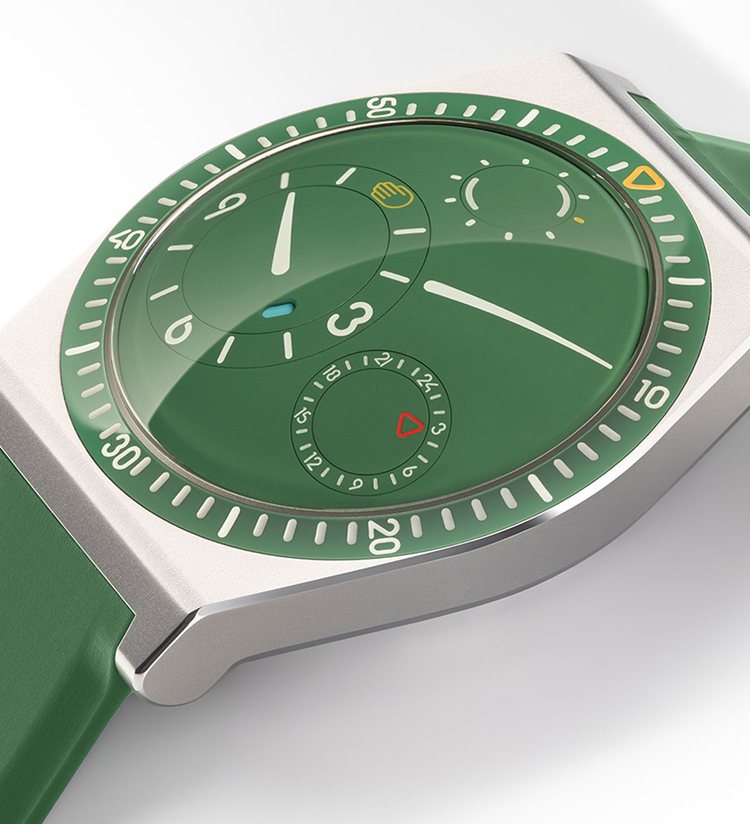
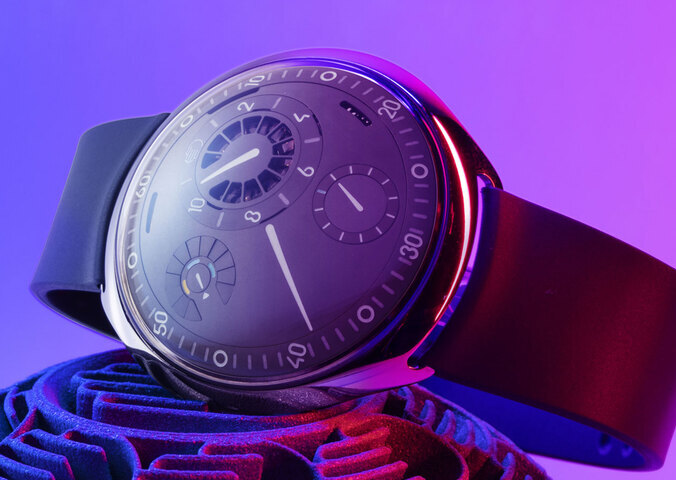
Ressence has always been a pioneer in innovative watch design, and with the Ressence Type 2, the brand has taken another major leap forward by introducing electronics in a way that is both elegant and functional. The development of the Type 2 came down to one simple but fundamental question: What if I could trust and rely on my mechanical watch as much as I do for my phone. The Type 2 features a magnetic smart movement system that automatically adjusts the time based on the position of the wearer’s wrist. This system uses an electronic module to regulate the movement’s actuation, making the Type 2 one of the first true examples of a “smart” mechanical watch.

The eCrown® is able to detect when the watch is no longer being worn and will stop the movement before it exhausts its power reserve, ready to be re-started when you pick it up again. The eCrown® allows two timezones to be stored. A single touch and your watch will always be precisely set and on time.
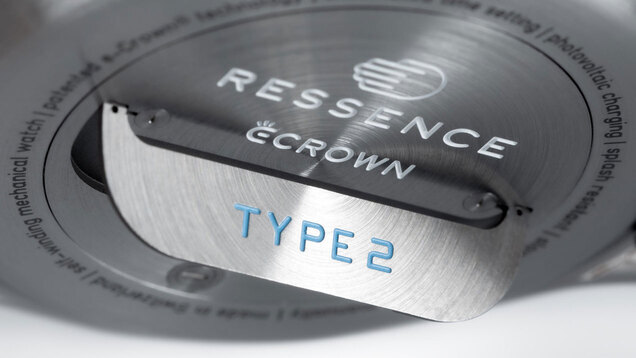
Despite its integration of electronics, the Type 2 stays true to the brand’s philosophy of minimalism , user experience and legibility. Ressence’s pursuit to improve the mechanical watch is uniquely its own and the Type 2 is a perfect example of the brand’s determination to build products that question what a wrist watch can be in the 21st century. The emphasis is not primarily on timing precision but to create a better product as a whole.
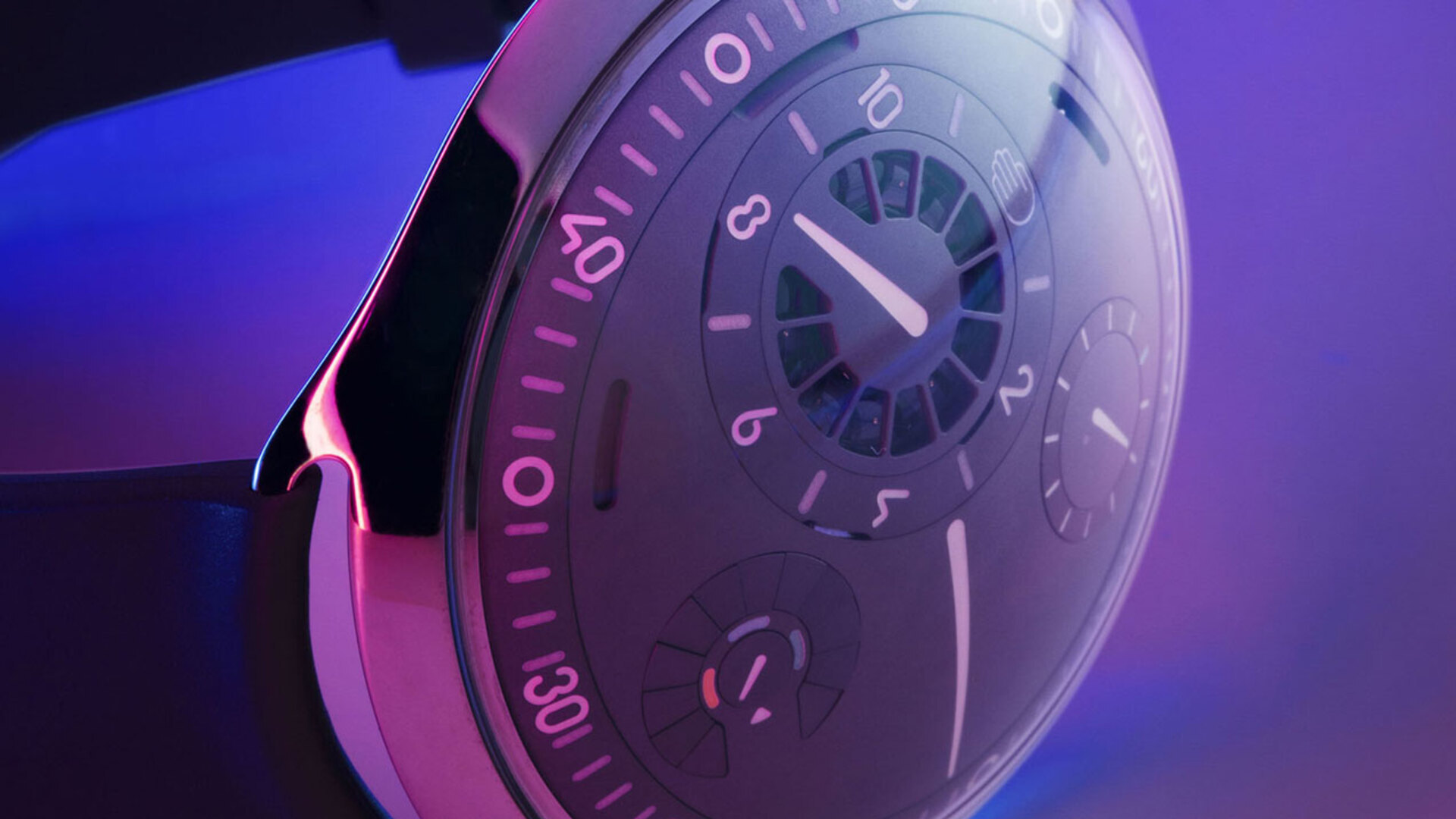
It is a hybrid watch, with an electronic system for automatic time adjustment that complements the mechanical movement, all while maintaining a clean and innovative aesthetic. By marrying mechanical principles with modern electronics, Ressence is creating watches that not only tell time but are an experience in themselves, demonstrating how technology can enhance traditional craftsmanship.
Urwerk AMC and EMC: The Future of Time Regulation
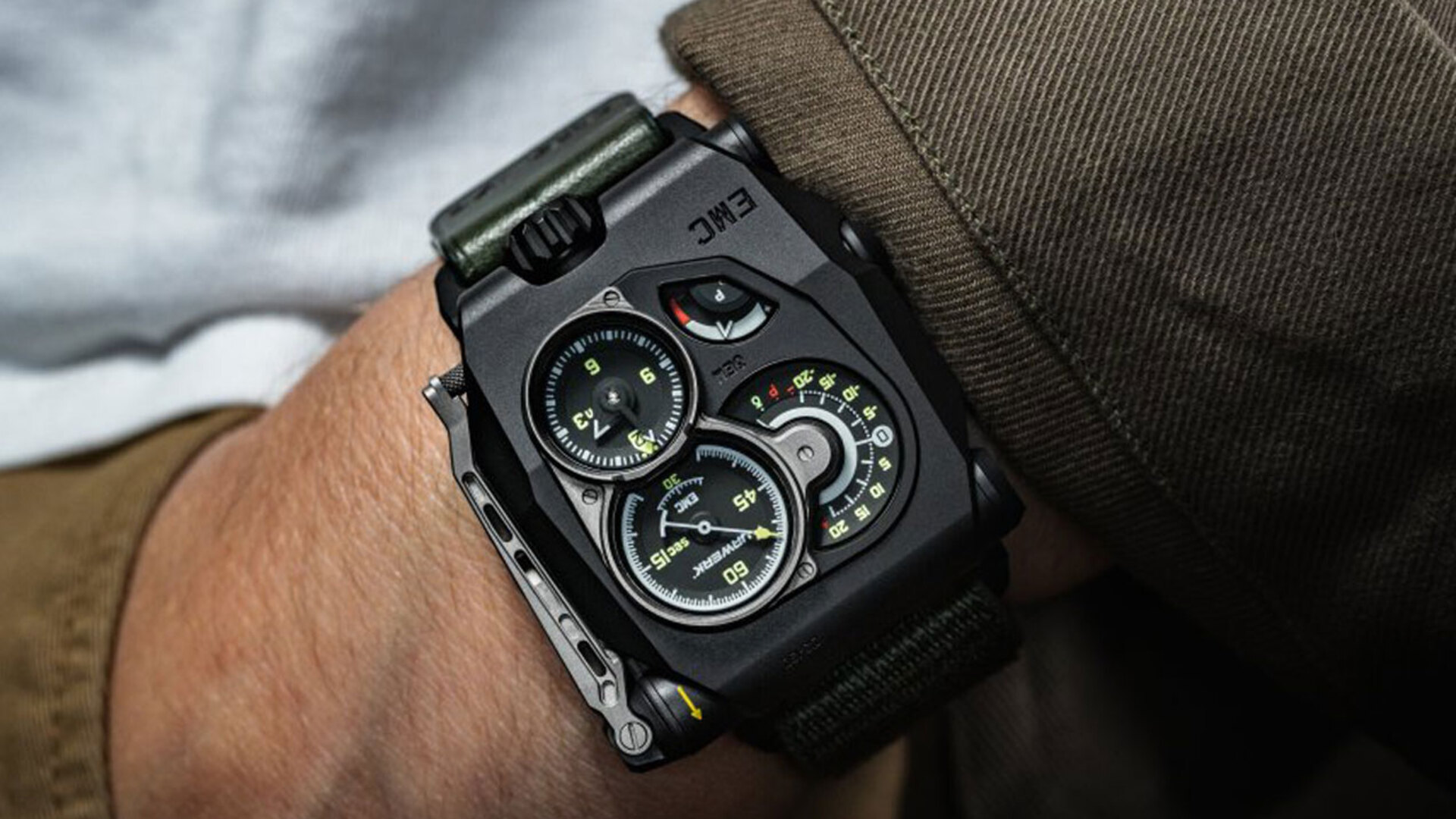
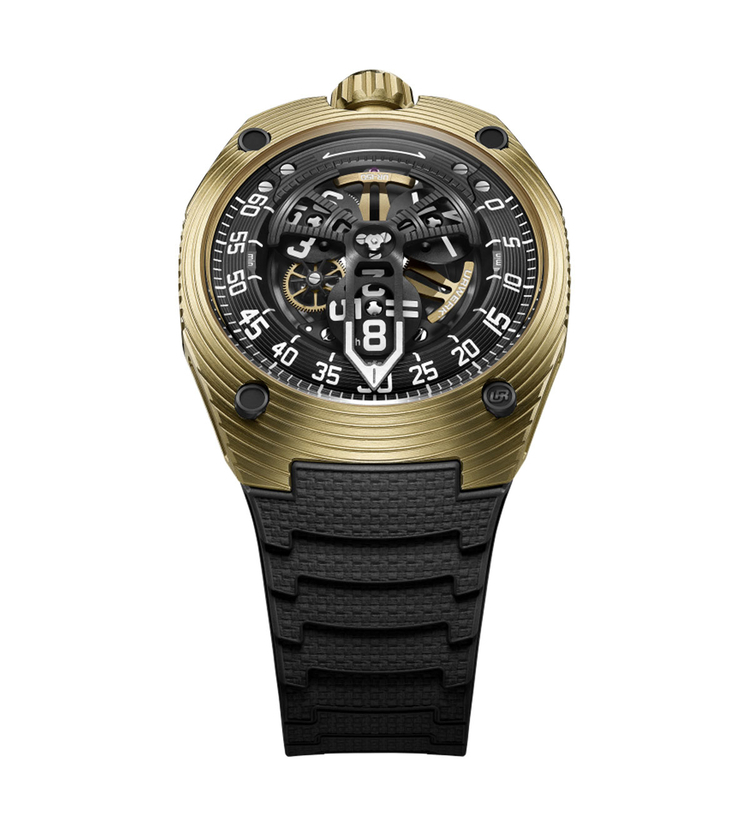
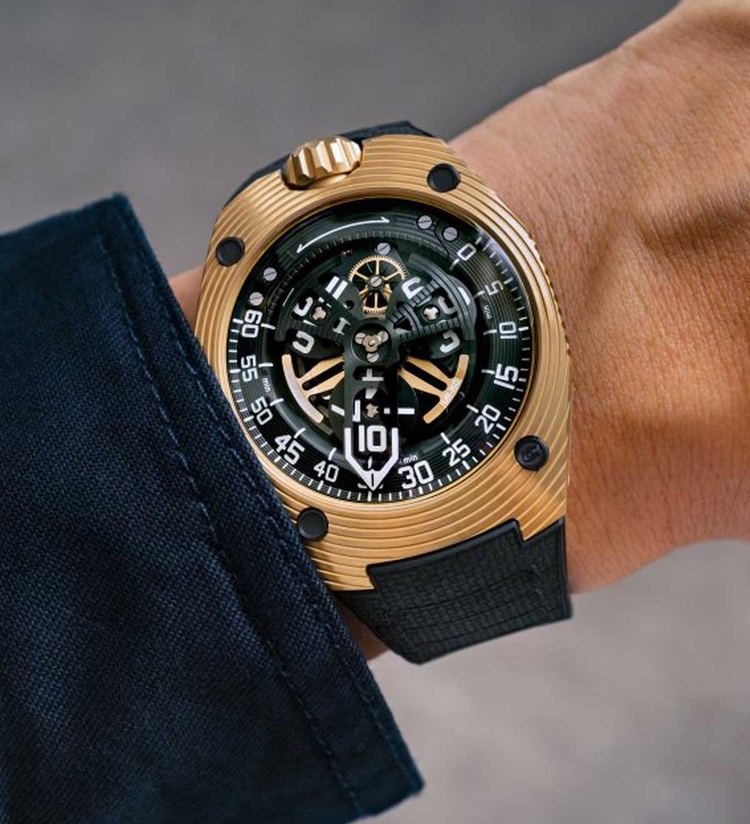
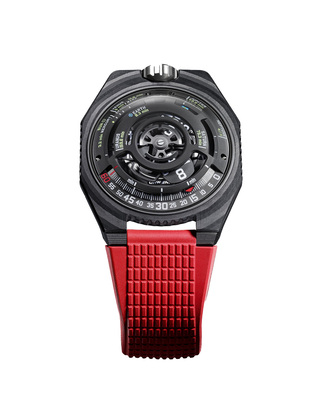
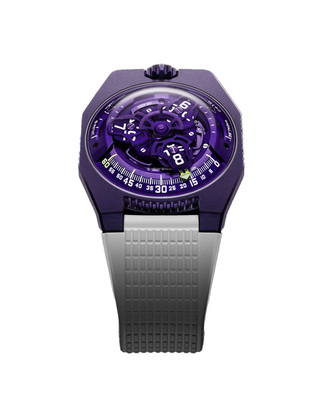
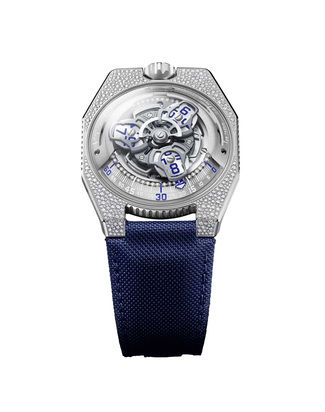
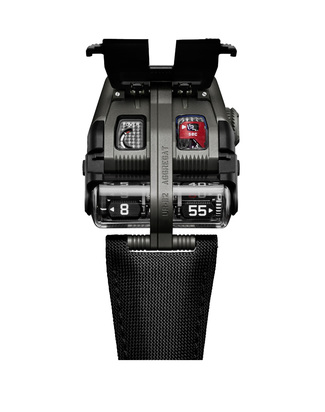
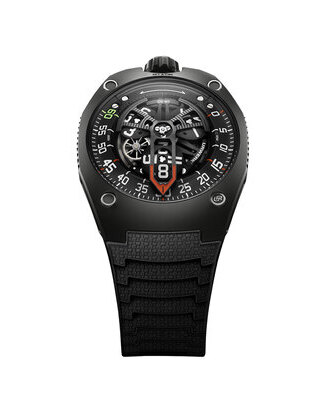
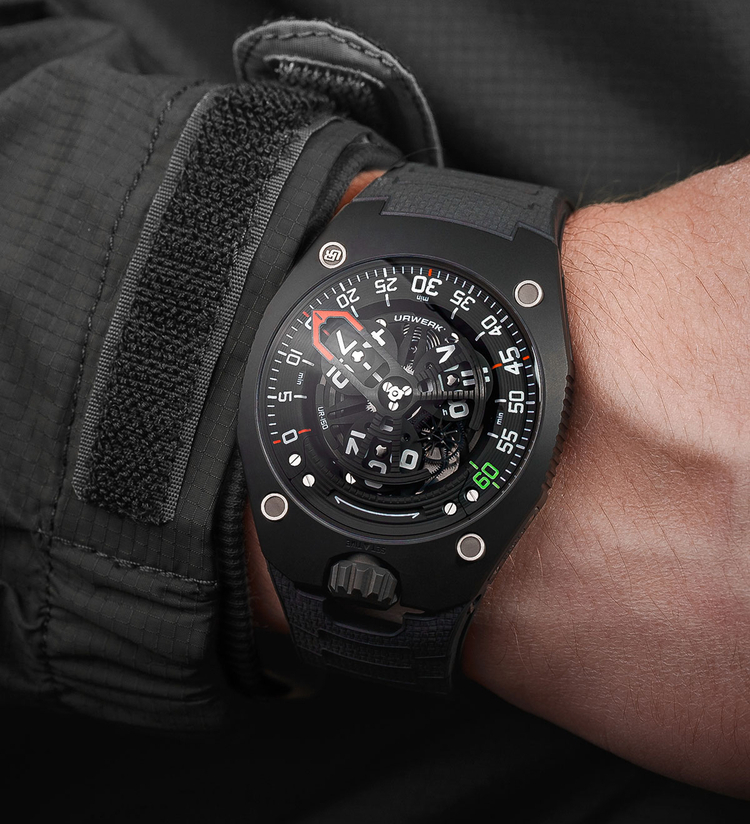
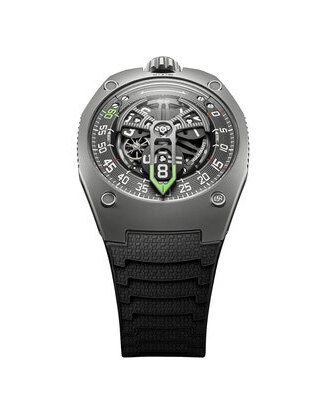
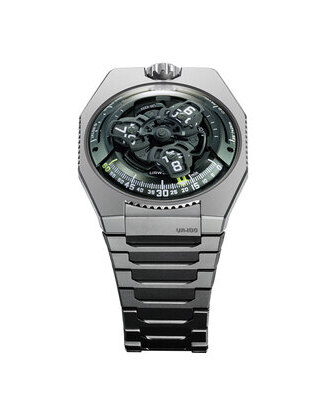
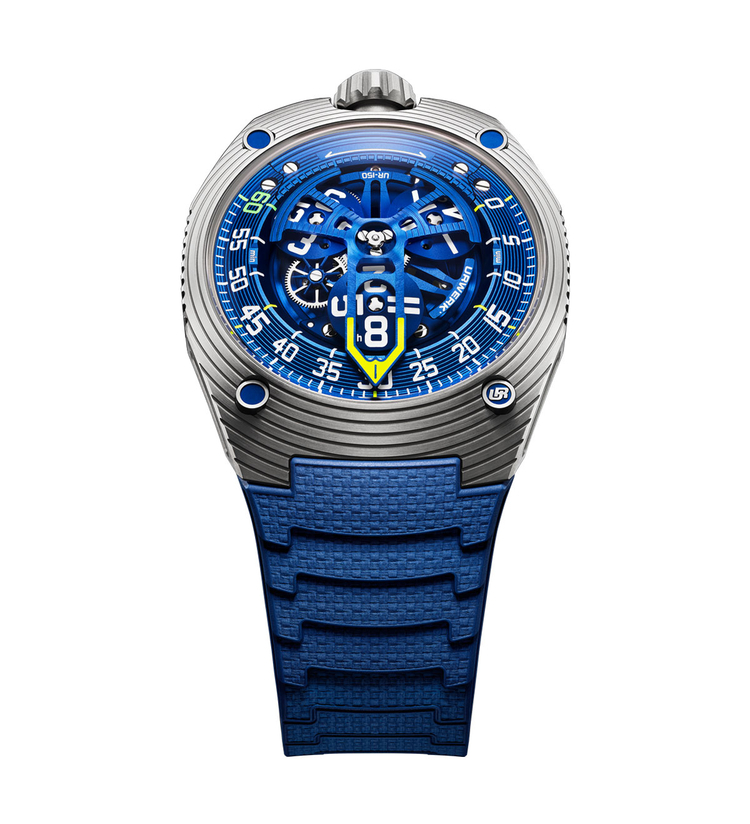
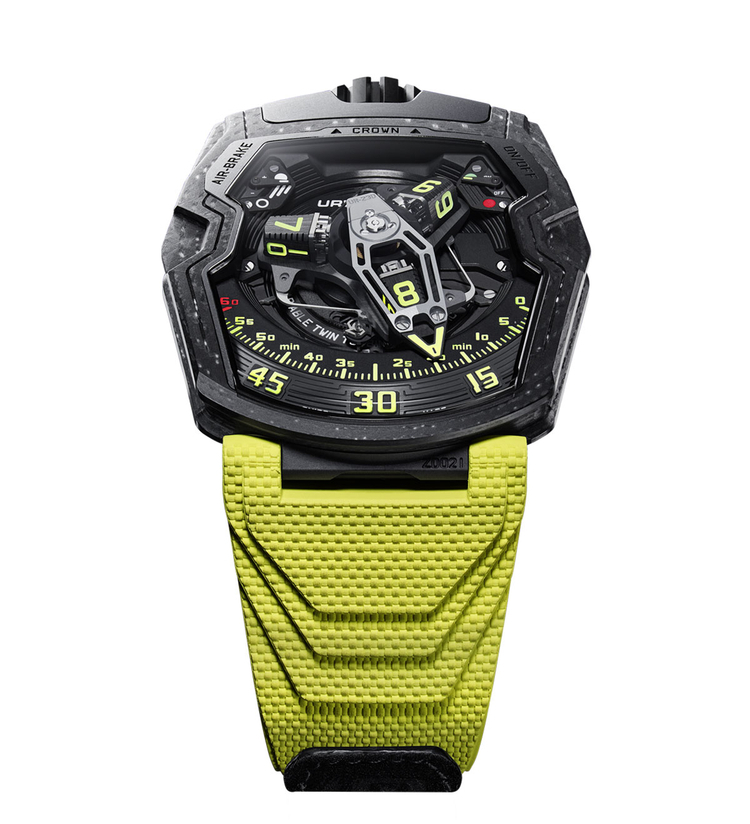
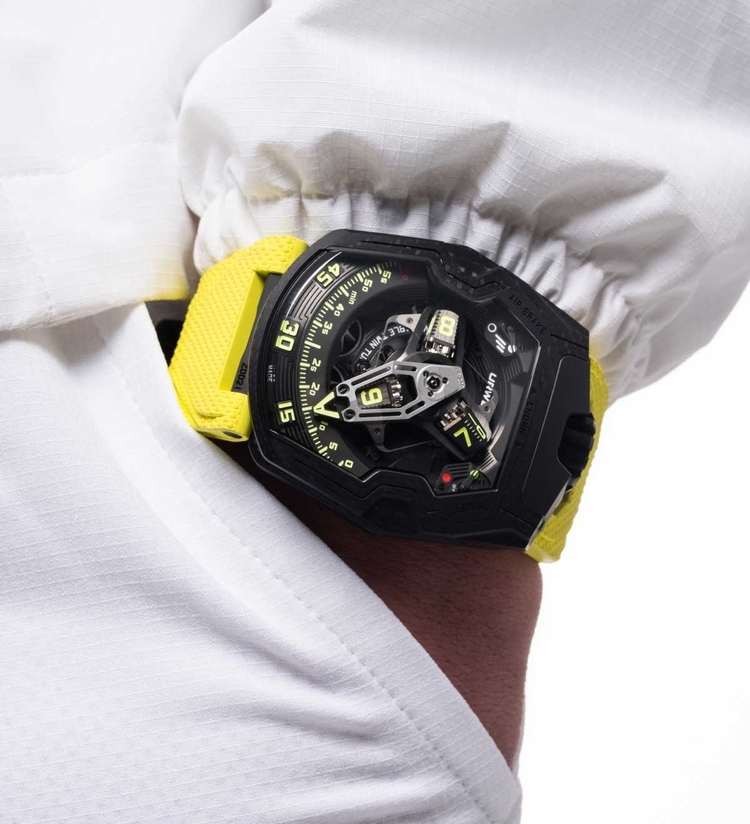
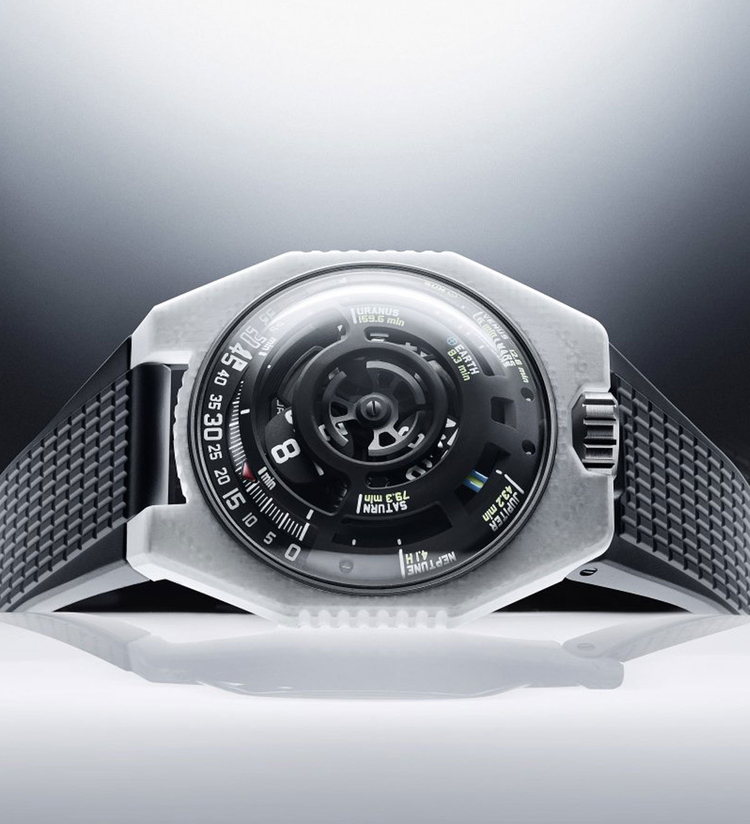
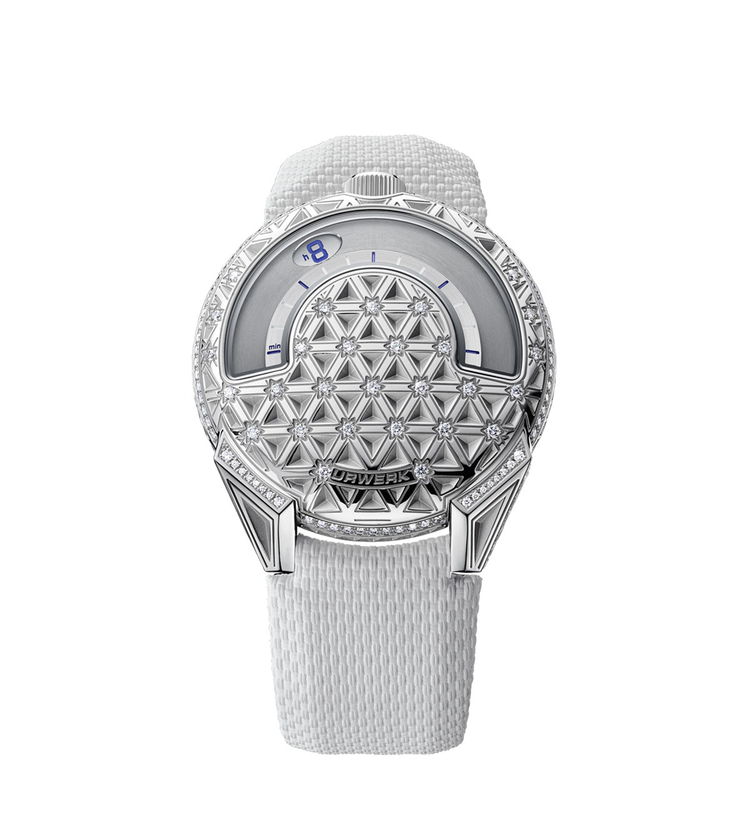
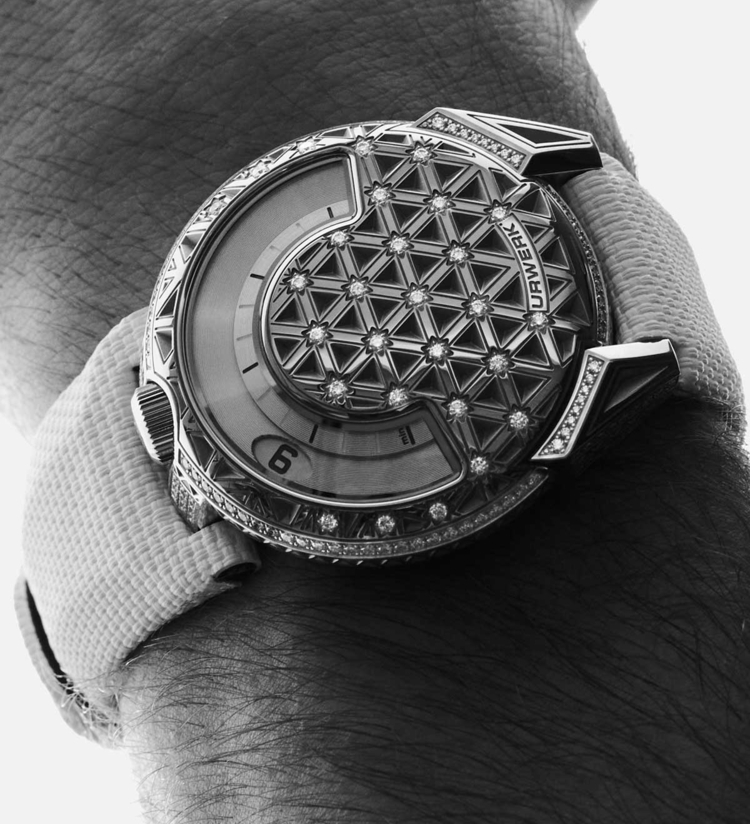
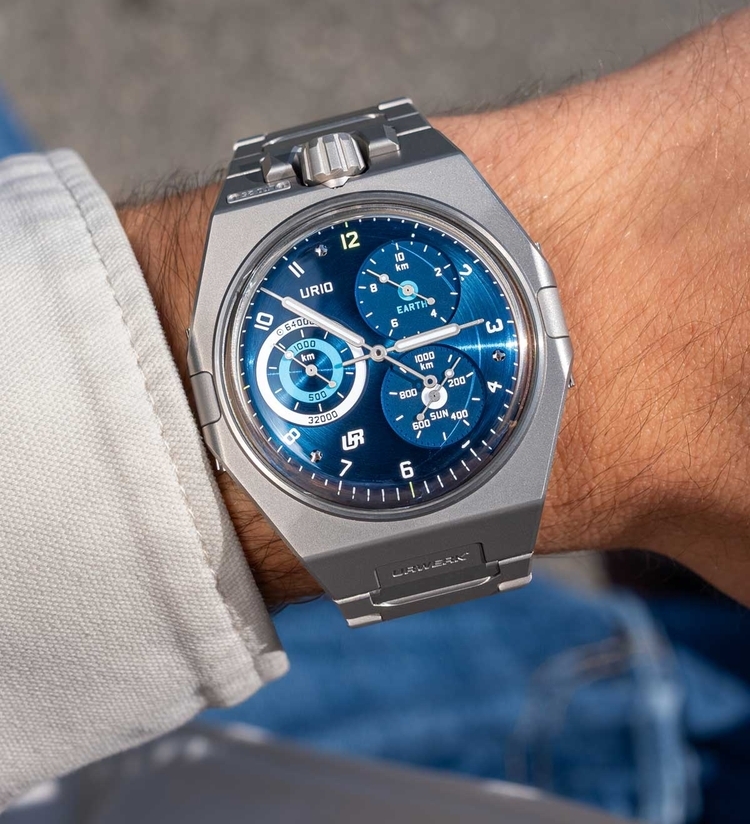
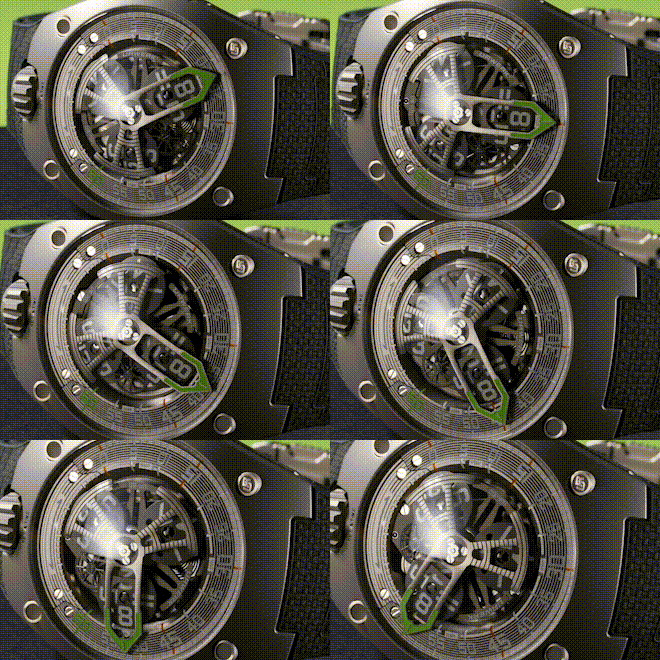
Urwerk is no stranger to challenging traditional notions of what a watch can do. Known for their innovative mechanical designs, the brand has also made significant strides in integrating electronics into their timepieces. The UR-AMC (Atomic Mechanical Control) and UR-EMC (Electro Mechanical Control) are both groundbreaking systems that push the envelope of high-end horology.
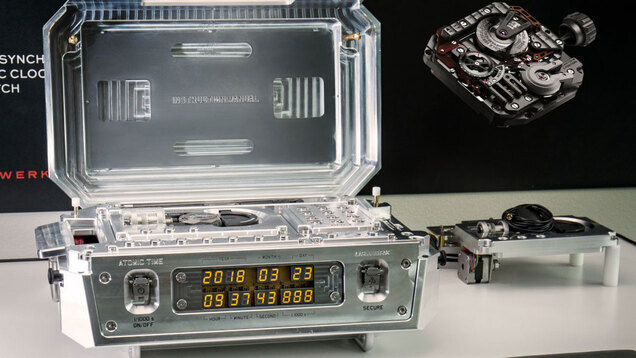
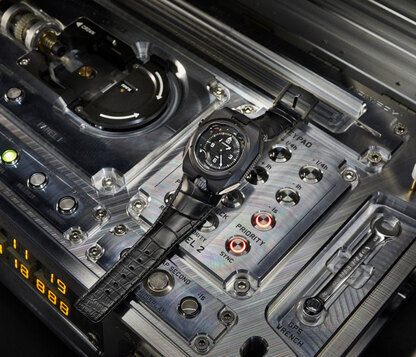
The AMC system was presented by Urwerk in 2017. It operates as an external atomic clock base station designed to monitor, adjust, and rewind a paired mechanical wristwatch. Inspired by Breguet’s Sympathique clocks, the AMC system automatically synchronizes the mechanical timepiece to atomic time, ensuring unmatched precision. Similarly, the EMC system, first seen in the UR-EMC model in 2013, “gives the wearer the ability to measure the balance wheel’s precision via an integrated electronic sensor and then manually fine-tune the watch’s accuracy using a screw on its back.”. This level of user control over a mechanical timepiece is revolutionary and combines the best of both worlds: the tactile pleasure of mechanical movement with the precision of electronic technology.
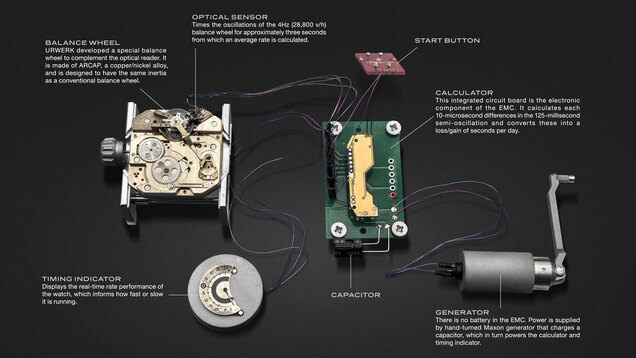
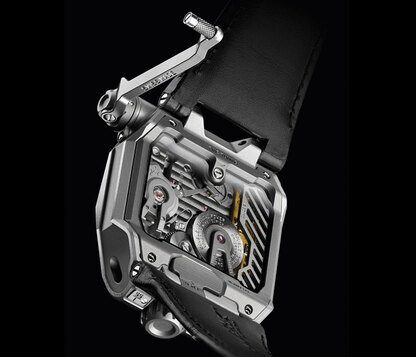
Urwerk’s bold integration of electronics into their mechanical designs demonstrates a commitment to advancing watchmaking. The brand continues to experiment with new ways to bring together the precision of electronic systems and the artistry of mechanical movements, heralding a new era in watchmaking where the two are no longer seen as opposing forces but as complementary elements.
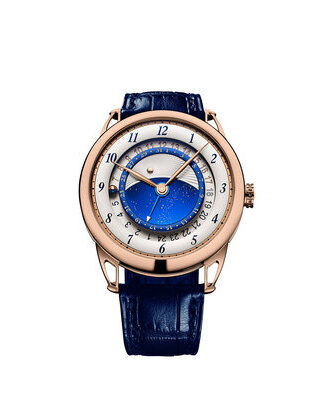
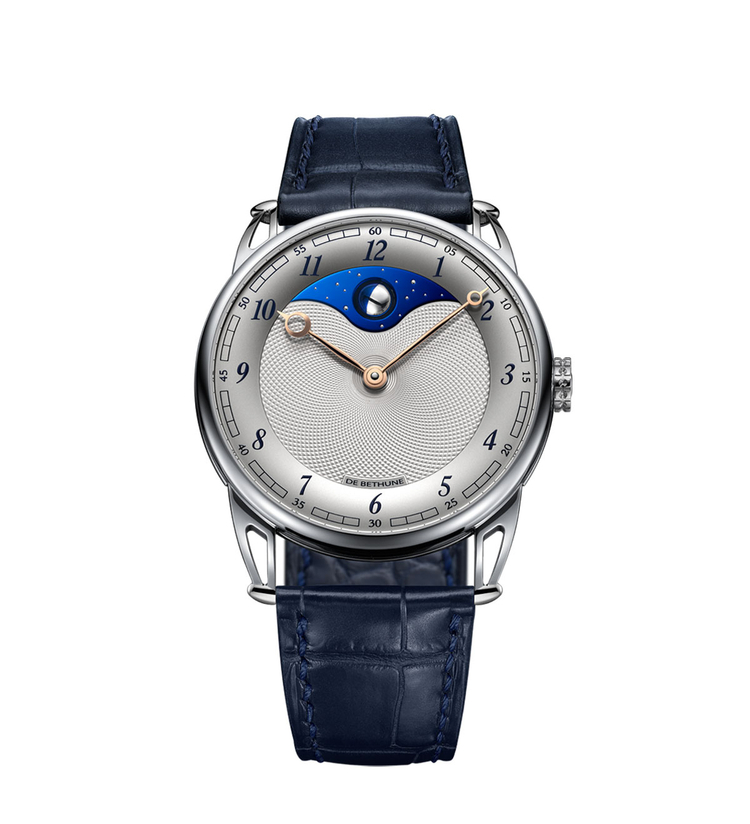
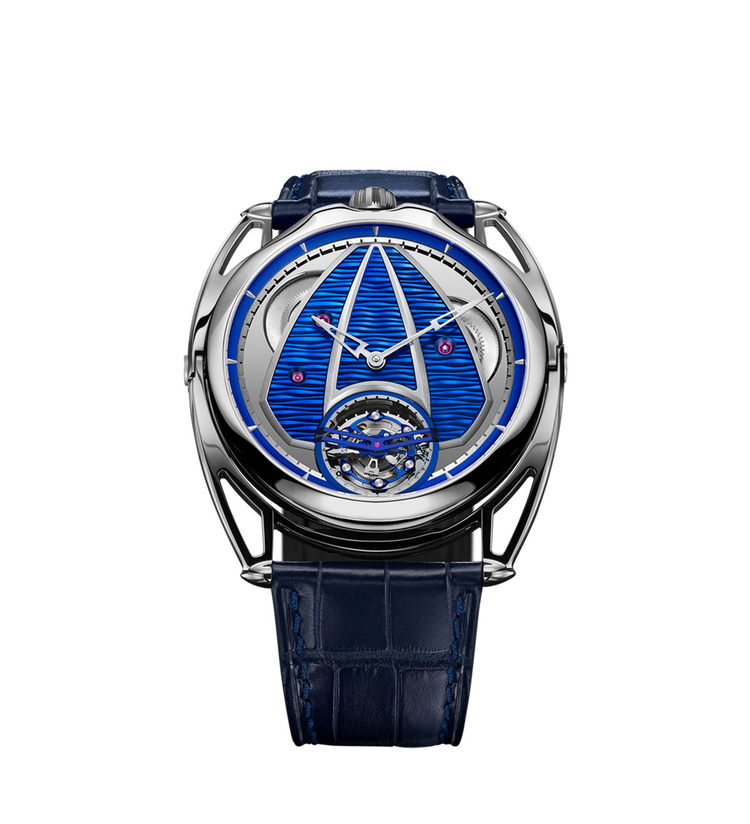
De Bethune DB28 GS: Merging Tradition with Technology
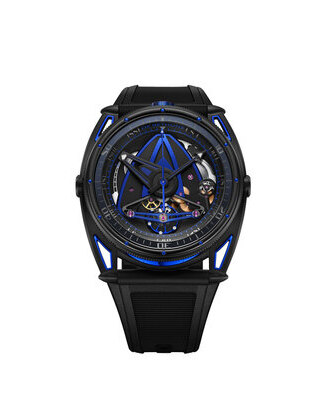
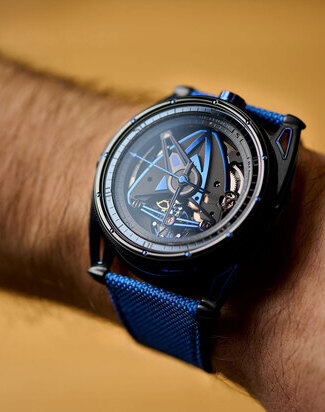
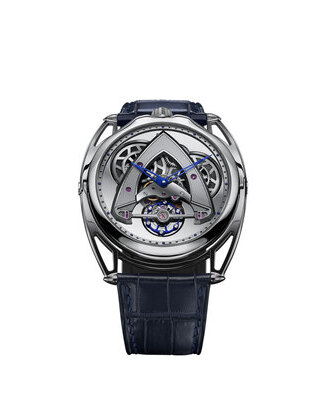
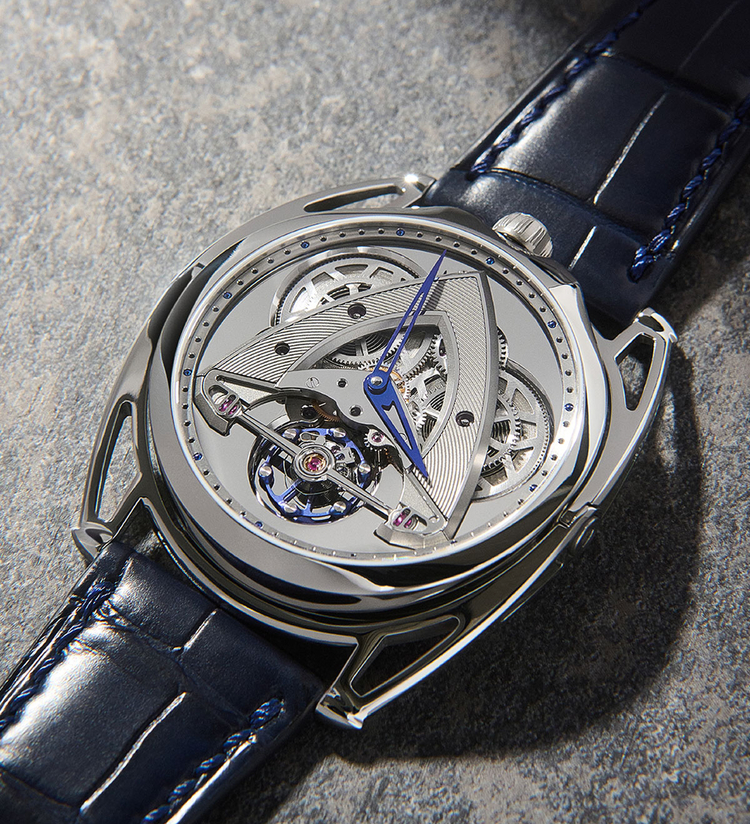
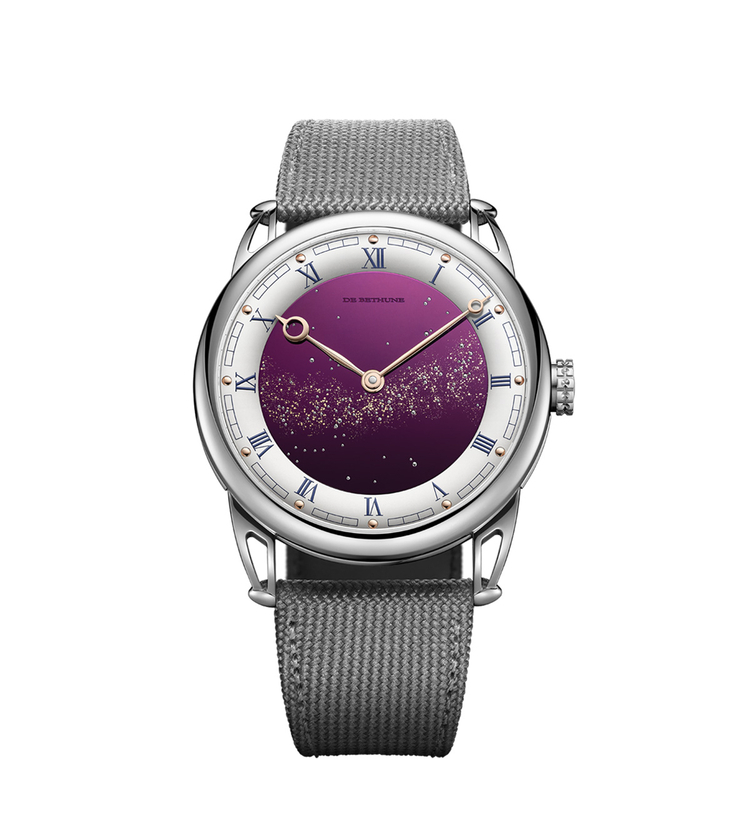
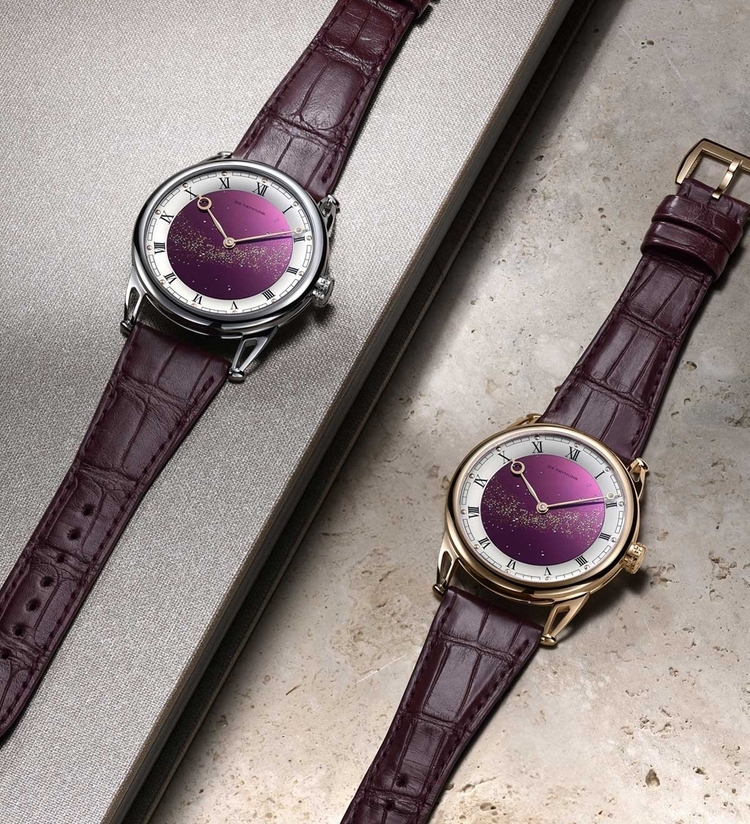
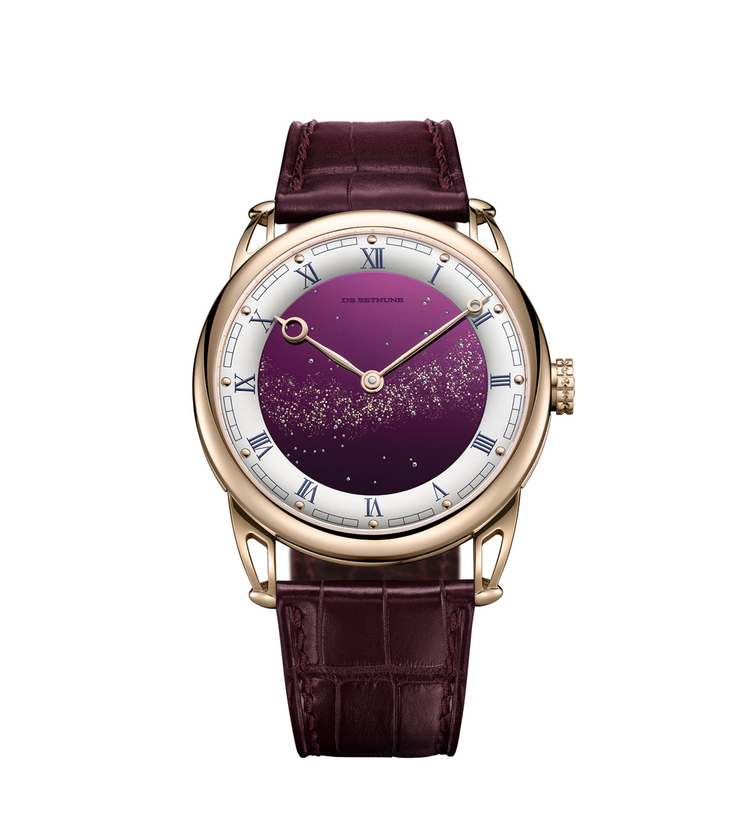
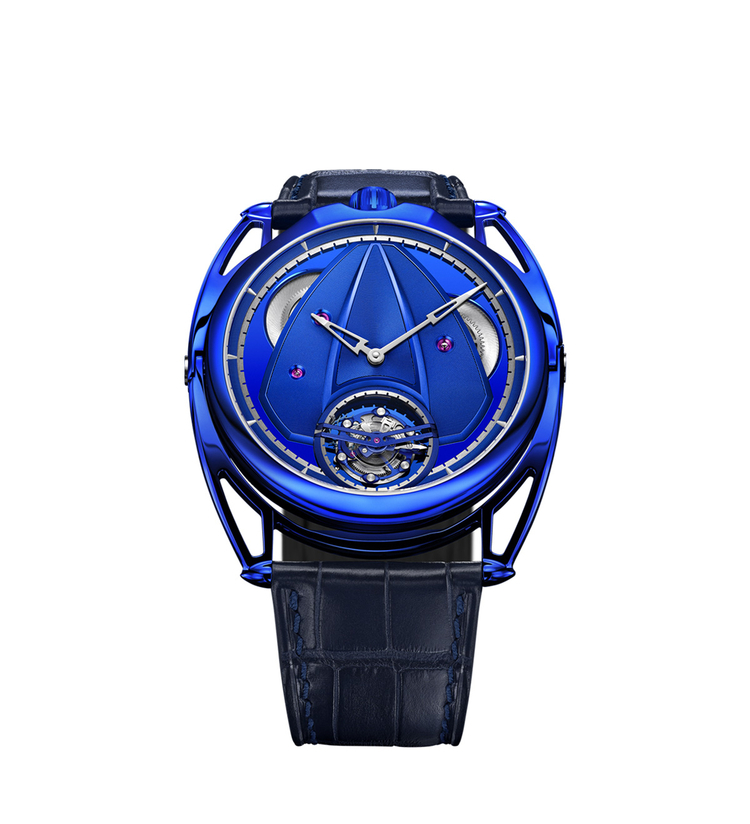
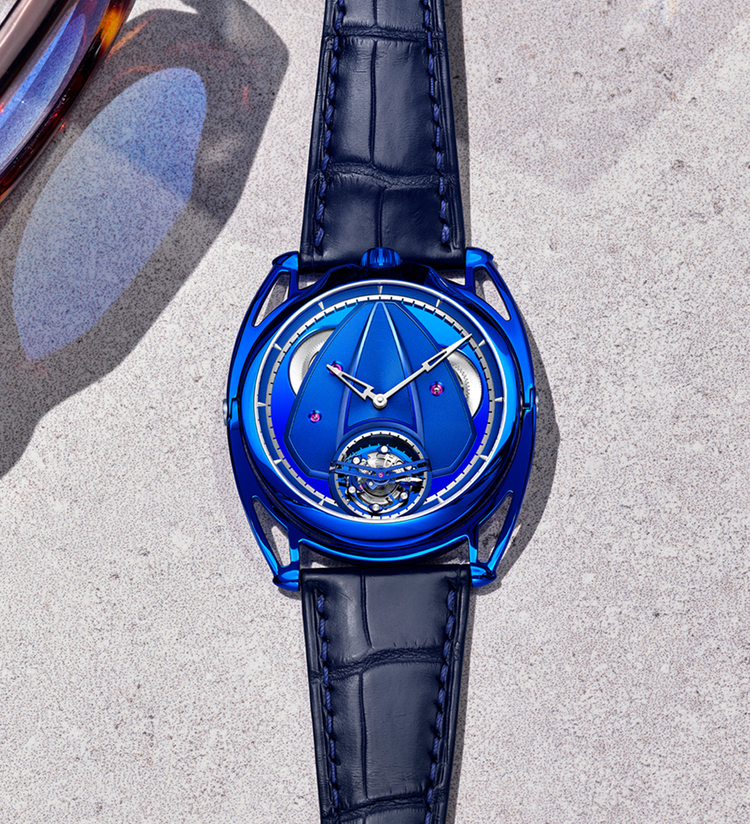
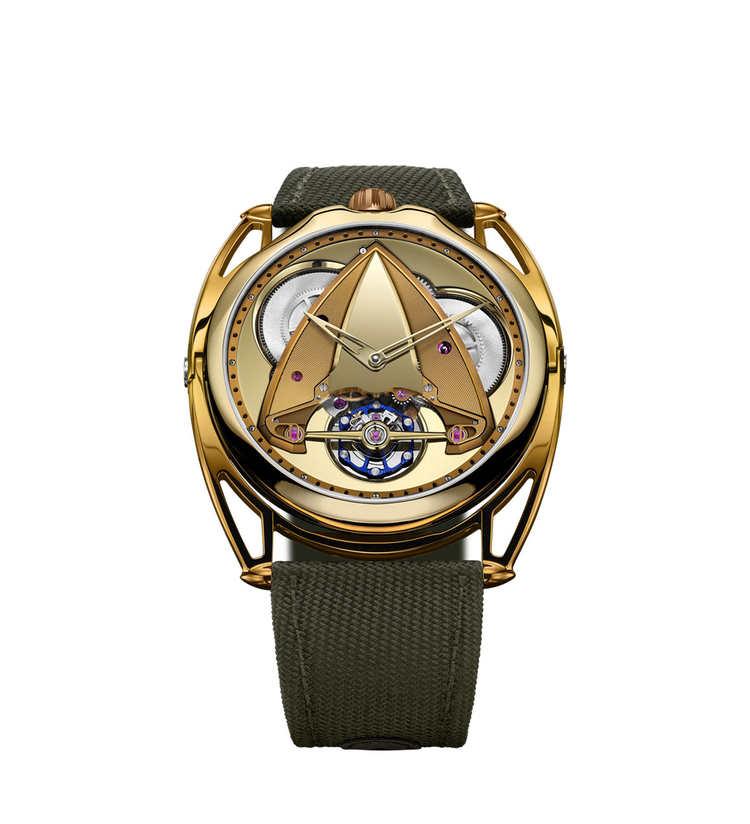
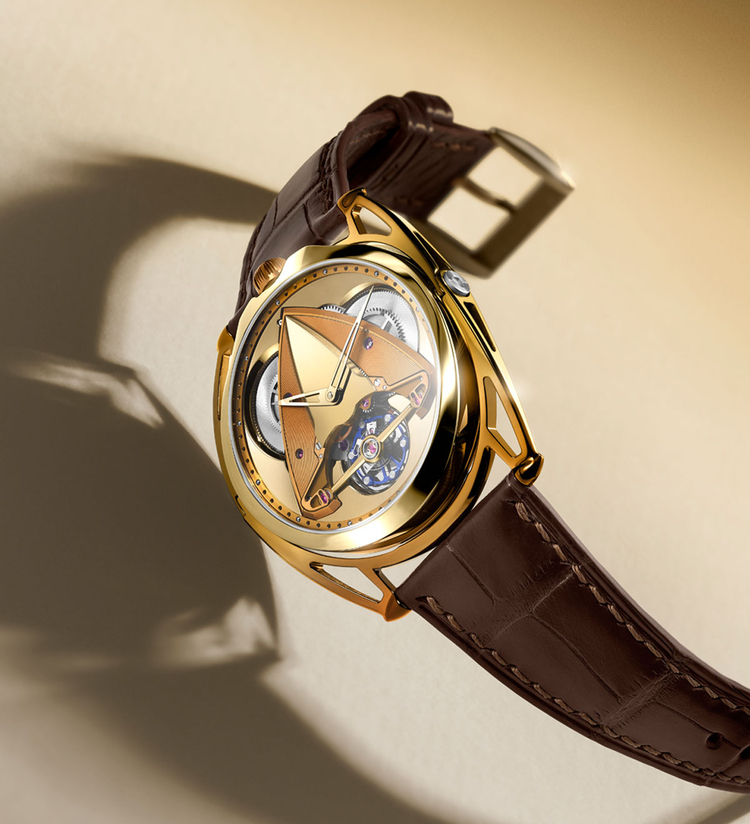
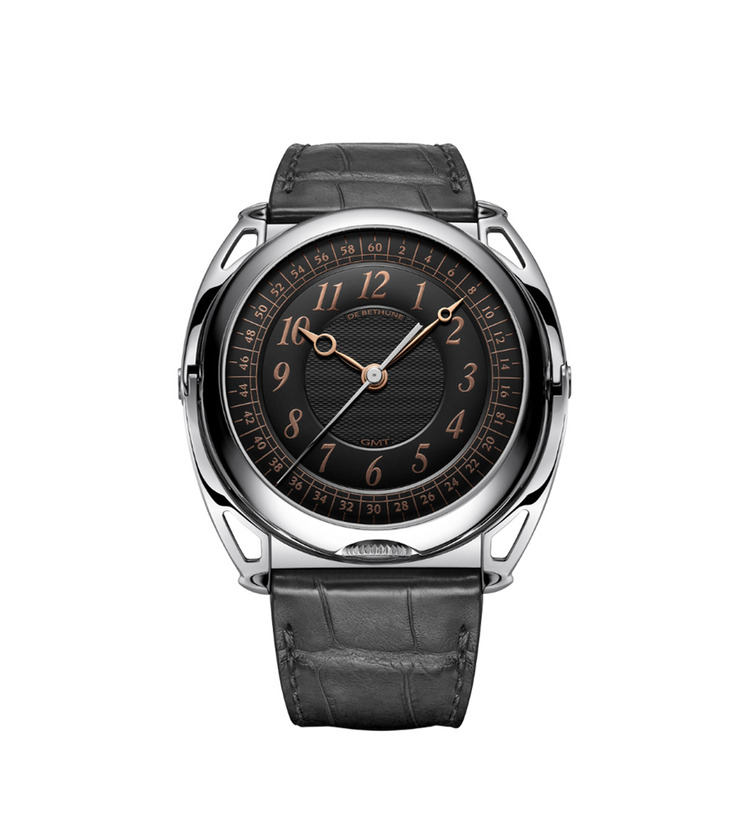
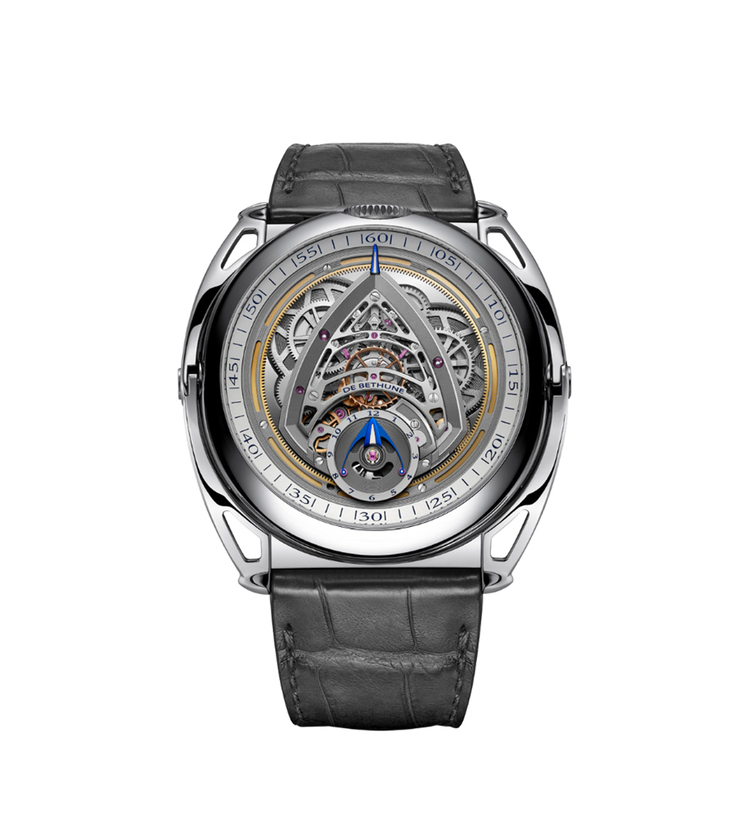
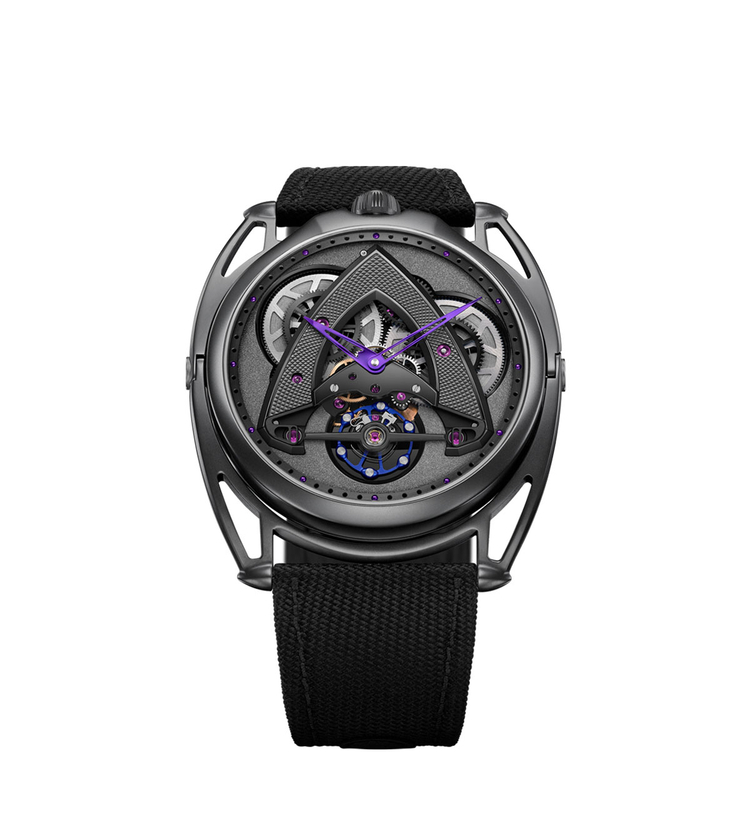
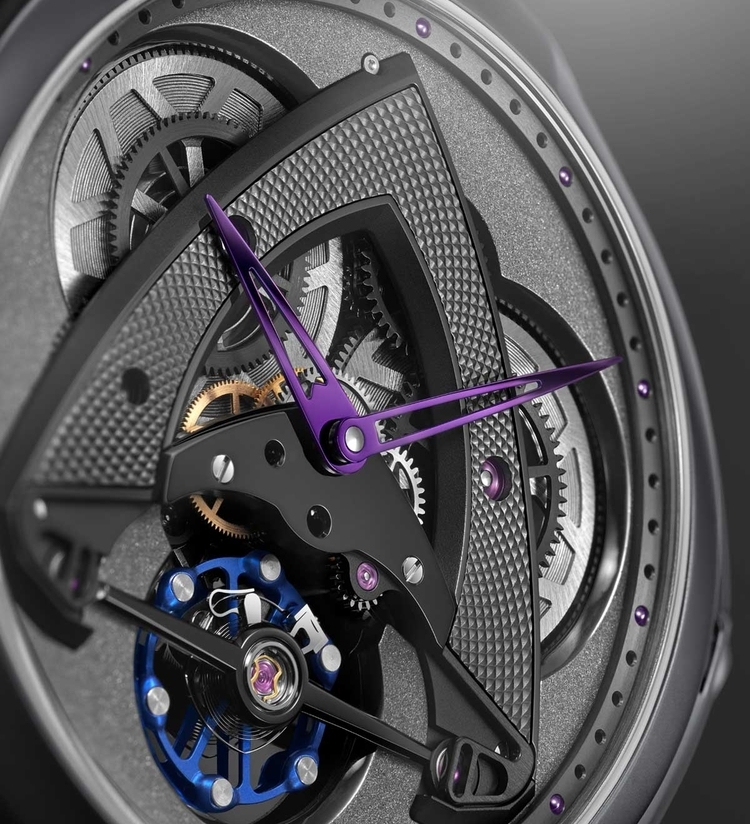
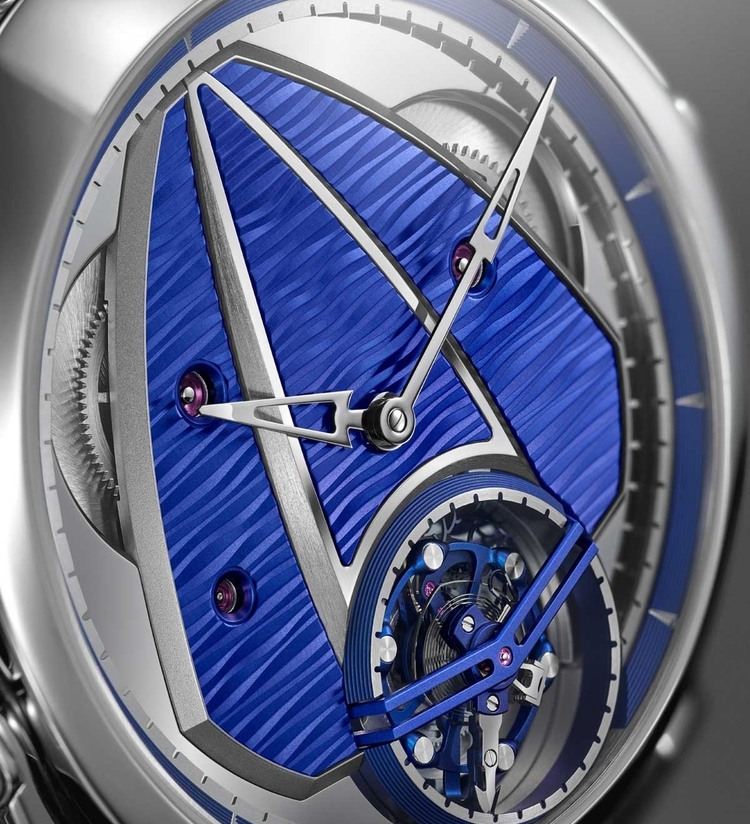
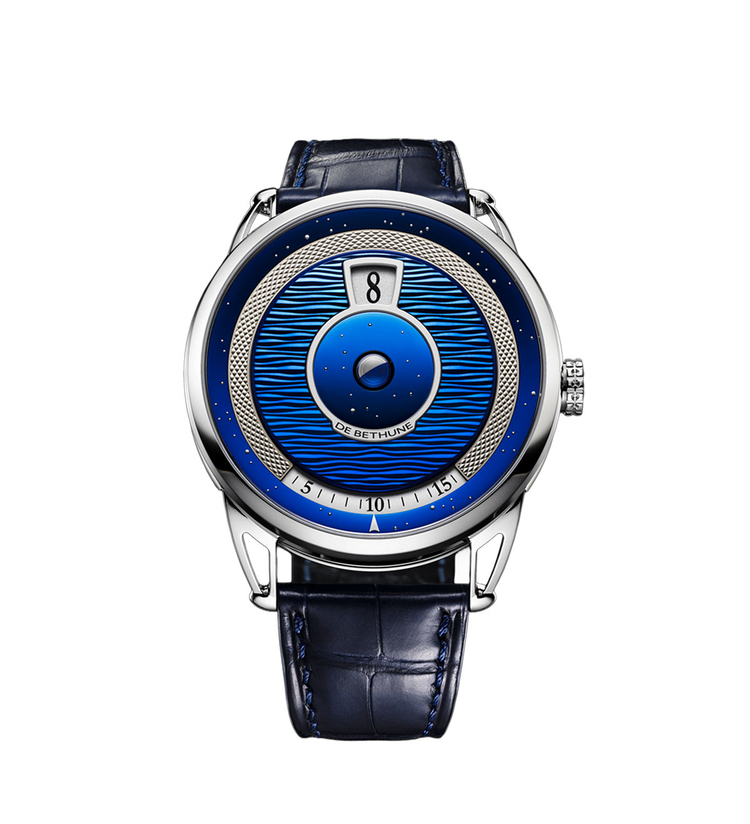
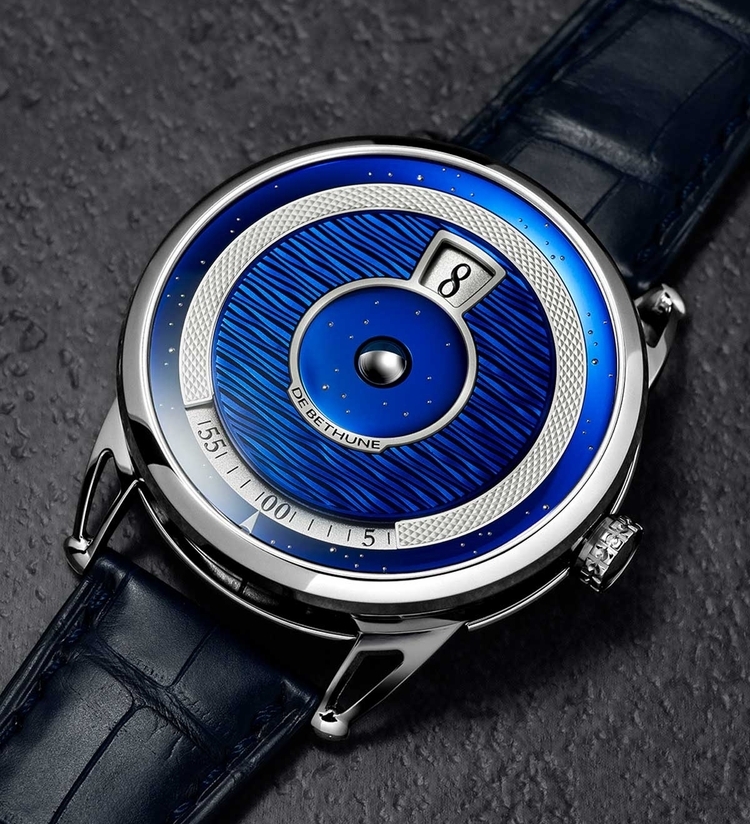
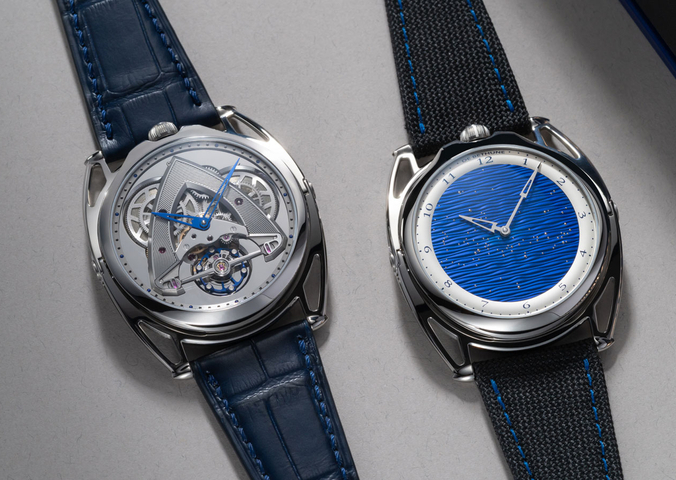
De Bethune is another independent brand that has embraced the fusion of mechanical artistry and electronic innovation. Renowned for its striking designs and technical mastery, the DB28 GS offers a unique blend of both worlds. The watch features an on-demand LED power reserve indicator, activated at the wearer's request, along with a dial illumination system powered by a fully mechanical dynamo. Both functions draw their energy directly from the twin barrels, eliminating the need for batteries while showcasing De Bethune's innovative approach to traditional watchmaking.
This feature adds a modern and visually striking element to the watch, while also maintaining efficiency and a connection to the traditional mechanical movement.
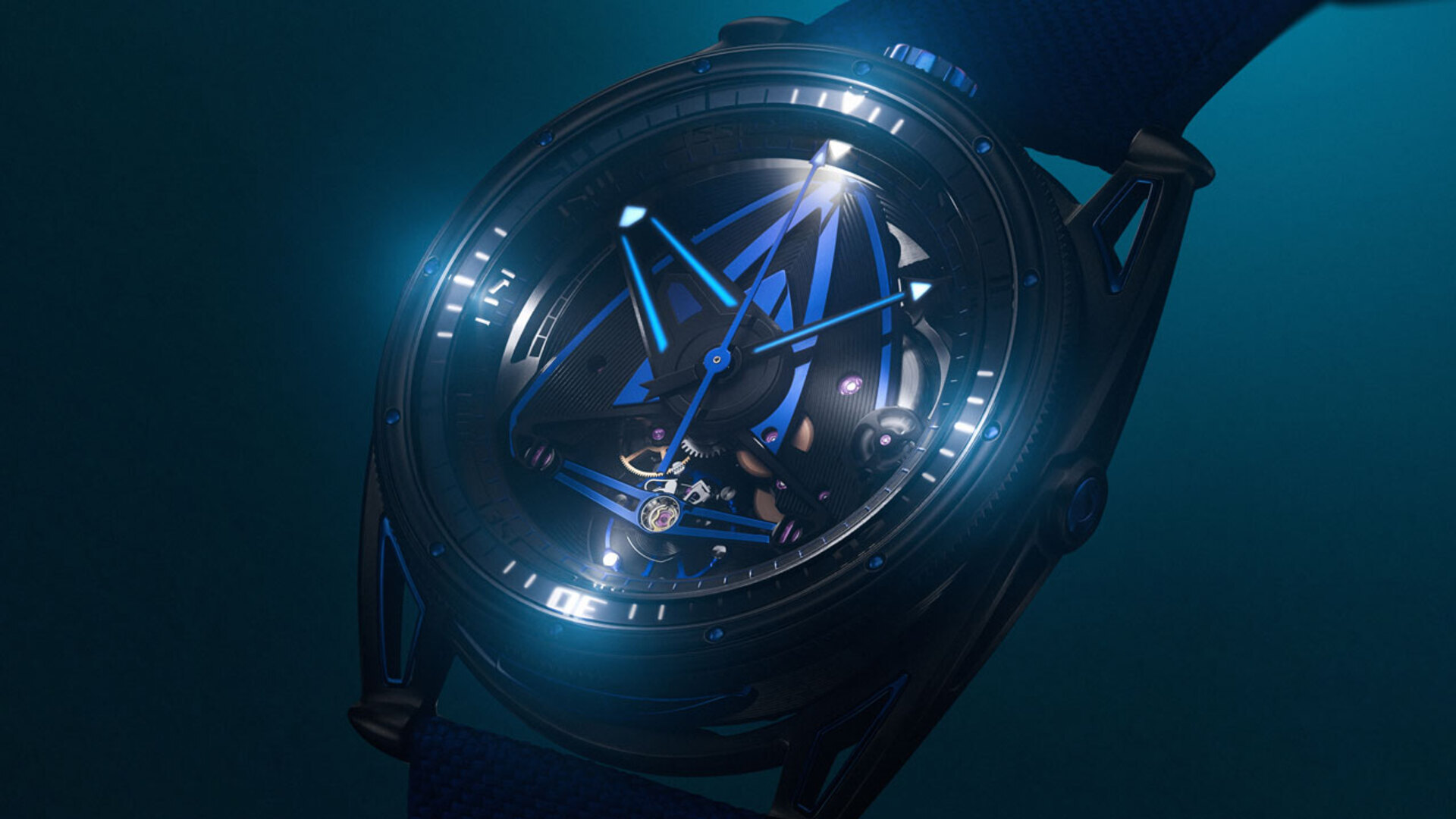
What makes the DB28 GS particularly remarkable is how the electronic components enhance the functionality of the watch without compromising its aesthetic appeal. De Bethune's commitment to using advanced materials like titanium and blue steel remains central to their design philosophy, while the integration of electronics adds a layer of convenience and precision that elevates the user experience.
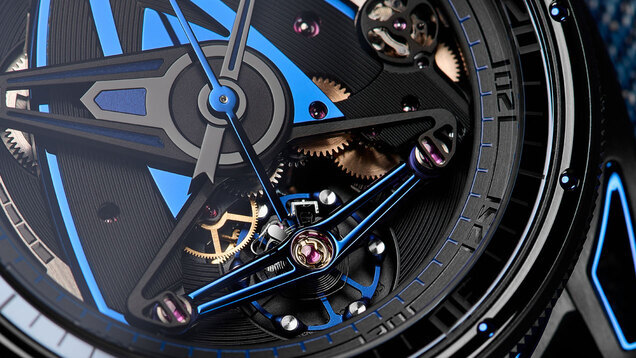
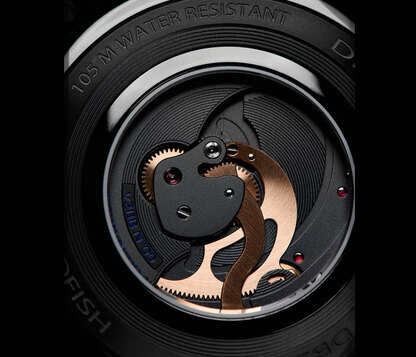
With the DB28 GS, De Bethune is demonstrating that traditional watchmaking and modern electronics do not have to be mutually exclusive. Instead, these components can work in harmony, creating a timepiece that is both a technical marvel and a work of art.
Shaping the Future of Watchmaking
The integration of electronics into mechanical watches by independent brands such as Ressence, Urwerk, and De Bethune reflects a broader shift in modern horology, where innovation extends beyond traditional watchmaking. These brands demonstrate that the future of fine watchmaking lies in the balance between mechanical craftsmanship and modern technology, using electronic systems to improve precision, performance, and the overall user experience while preserving the essence of mechanical horology. With each new creation, they continue to redefine the luxury timepiece, proving that the future of watchmaking is not about replacing tradition, but enhancing it through innovation.


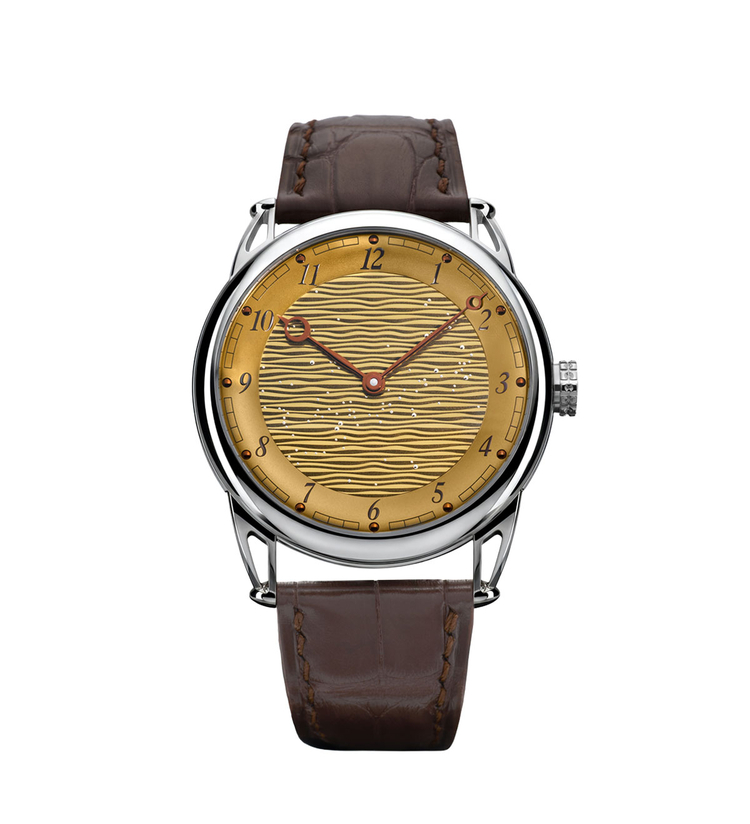
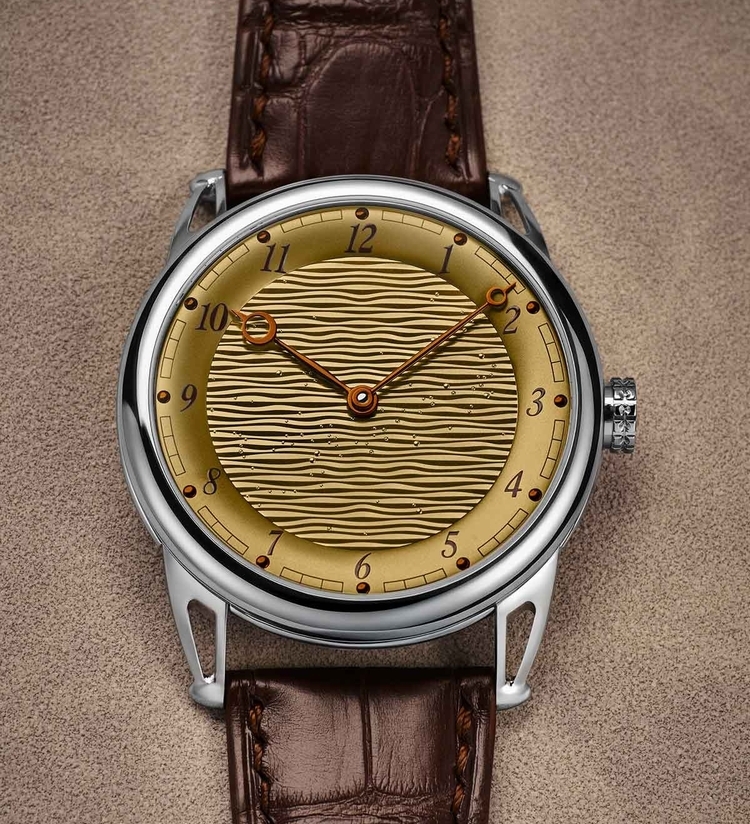
This article discusses these watches:




































Related articles:
 Innovations
 News and trends
 Reviews
 News and trends
 Reviews
 Innovations
 Innovations
 Innovations
 Guide
GuideKeep up to date. Subscribe to our newsletter.
